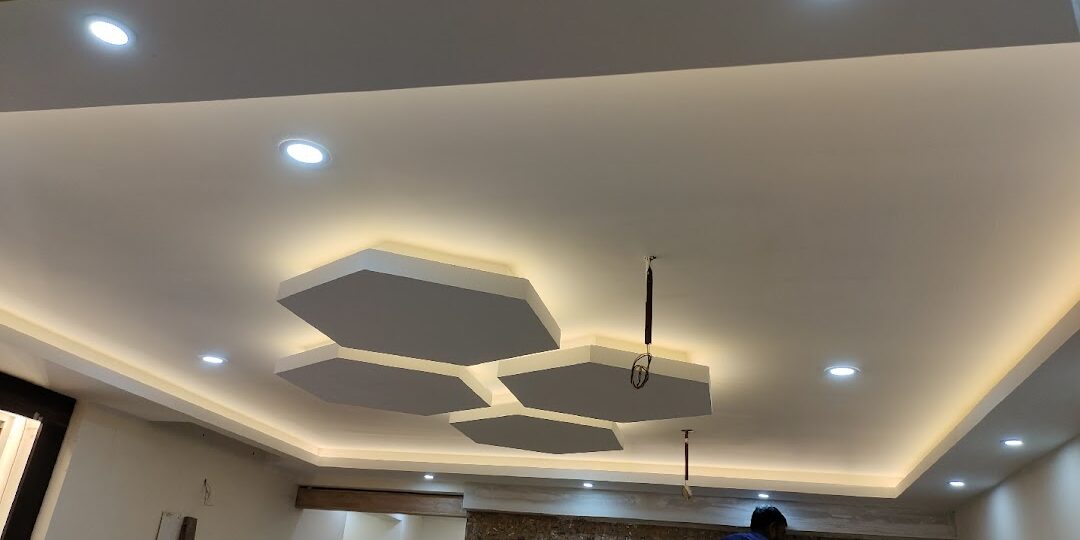
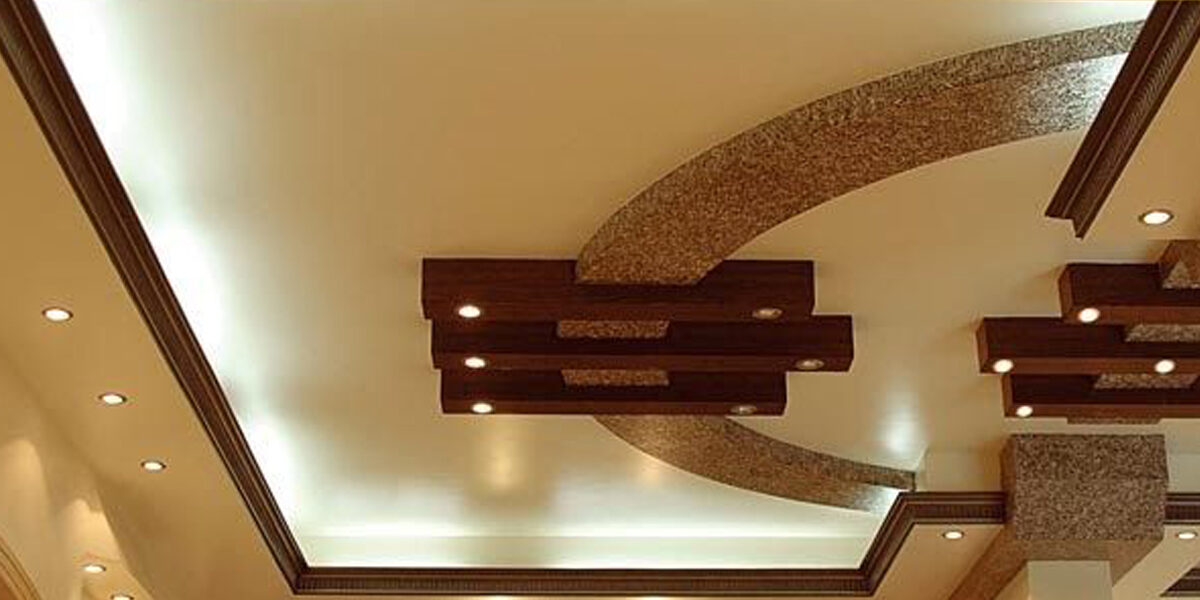
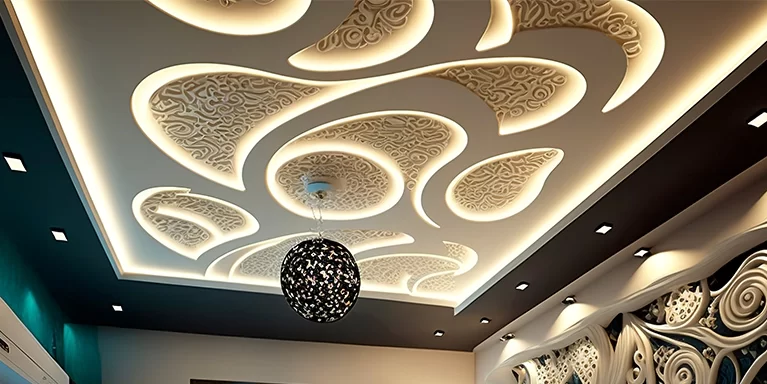
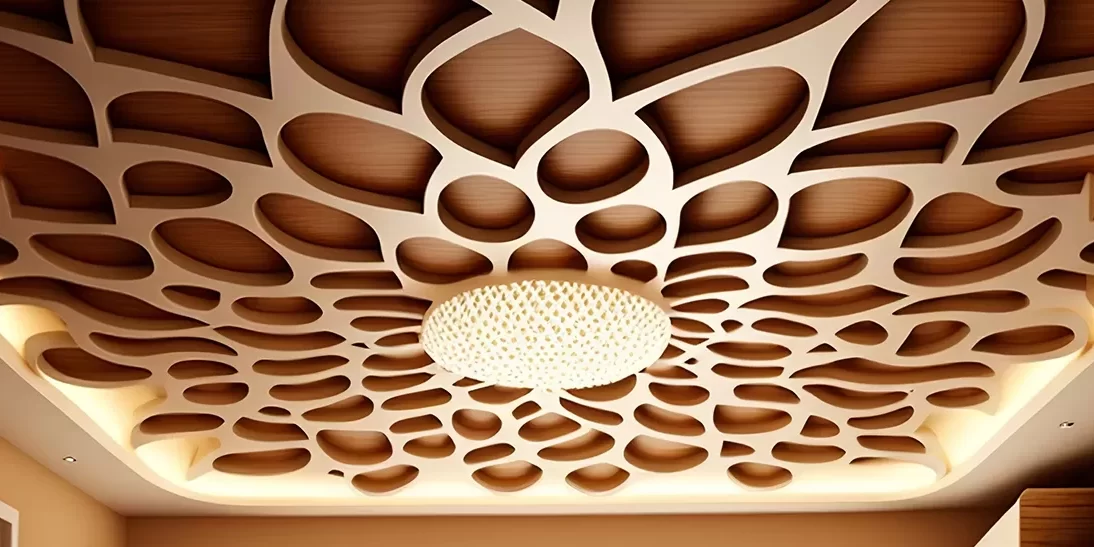
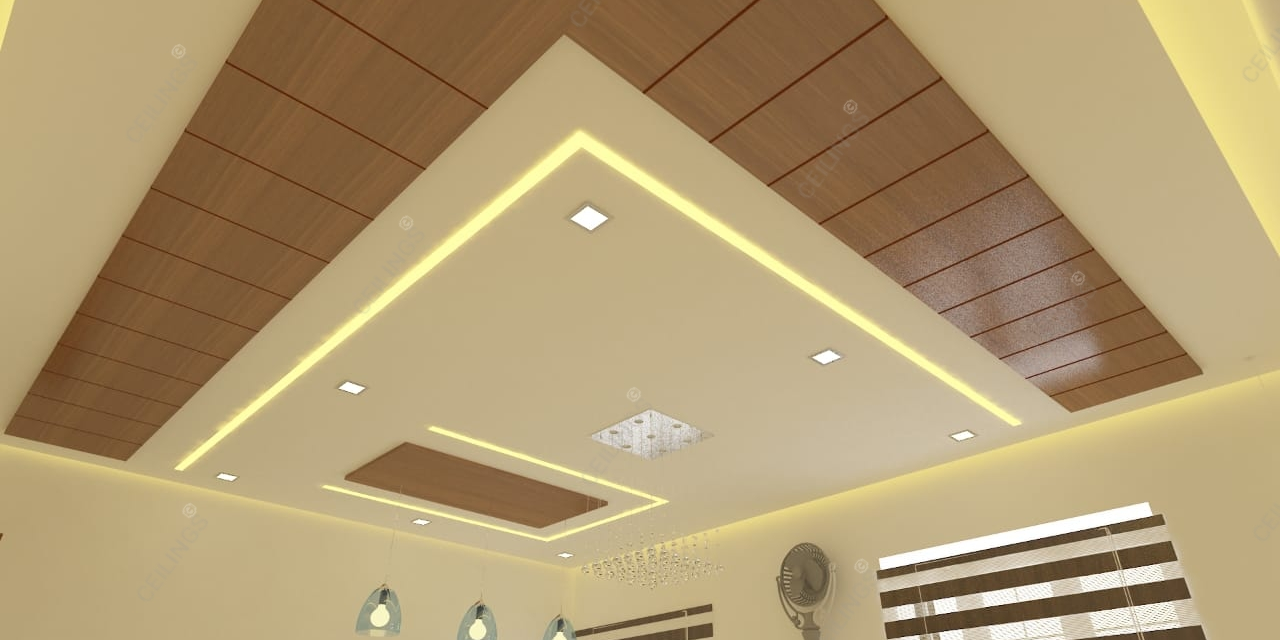
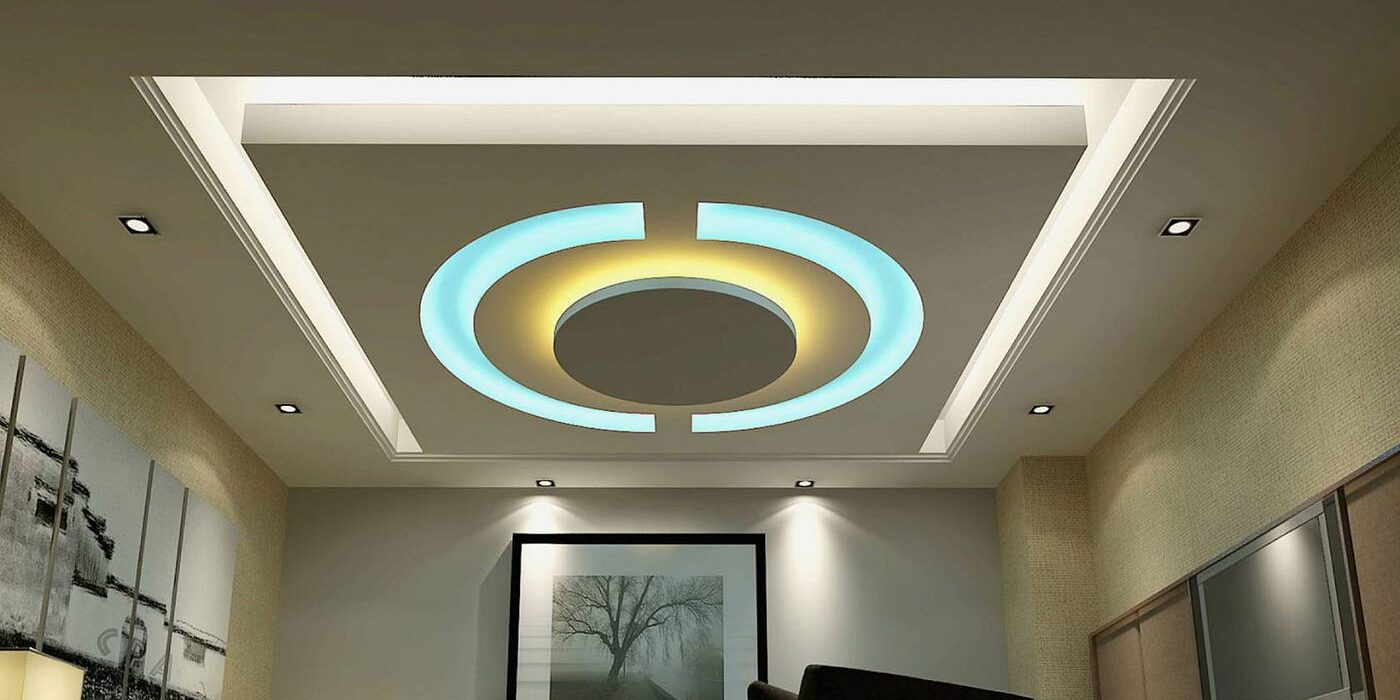
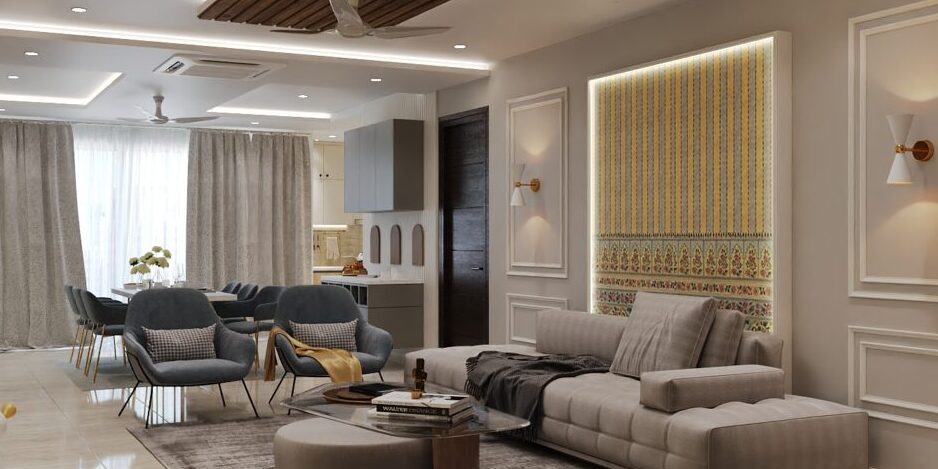
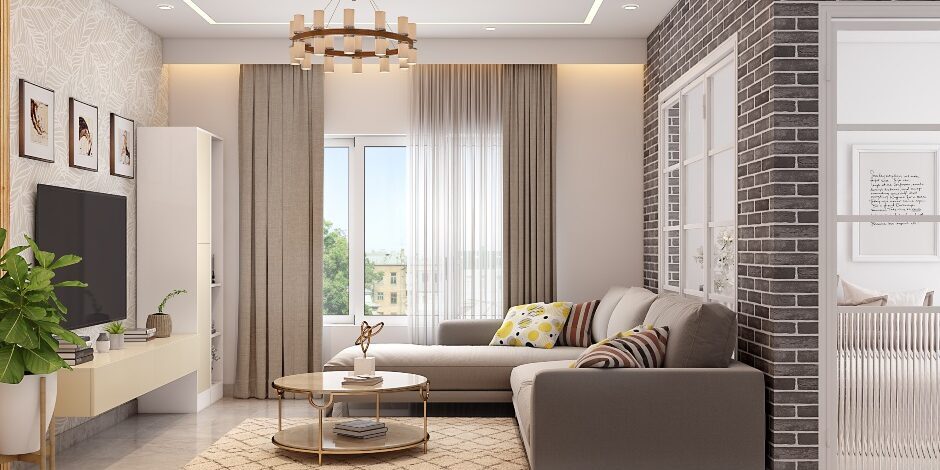
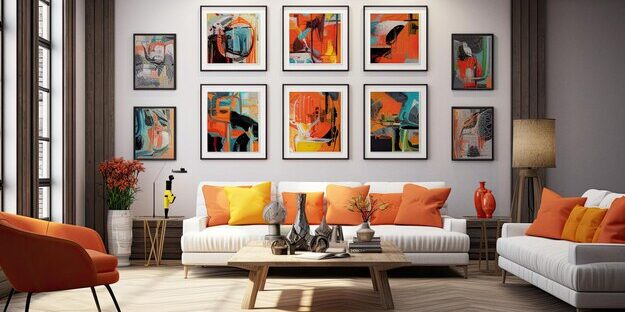
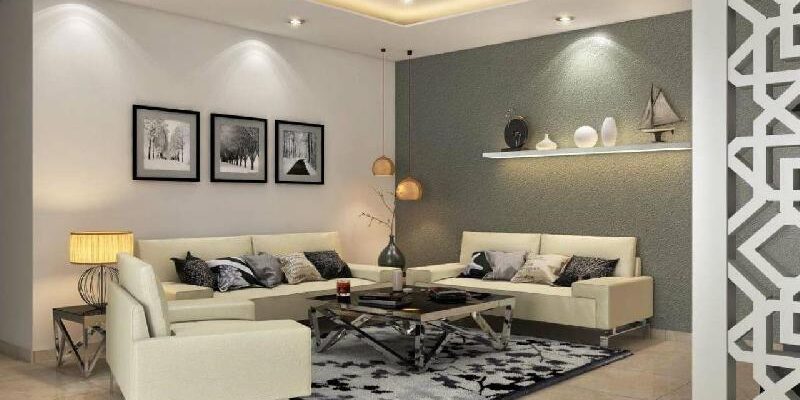
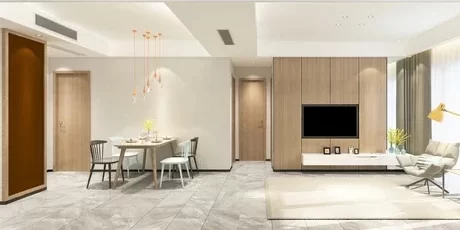
False ceiling, also known as drop ceiling or suspended ceiling, refers to a secondary ceiling installed below the main structural ceiling of a room or space. It is a popular interior design element that offers several practical and aesthetic advantages.
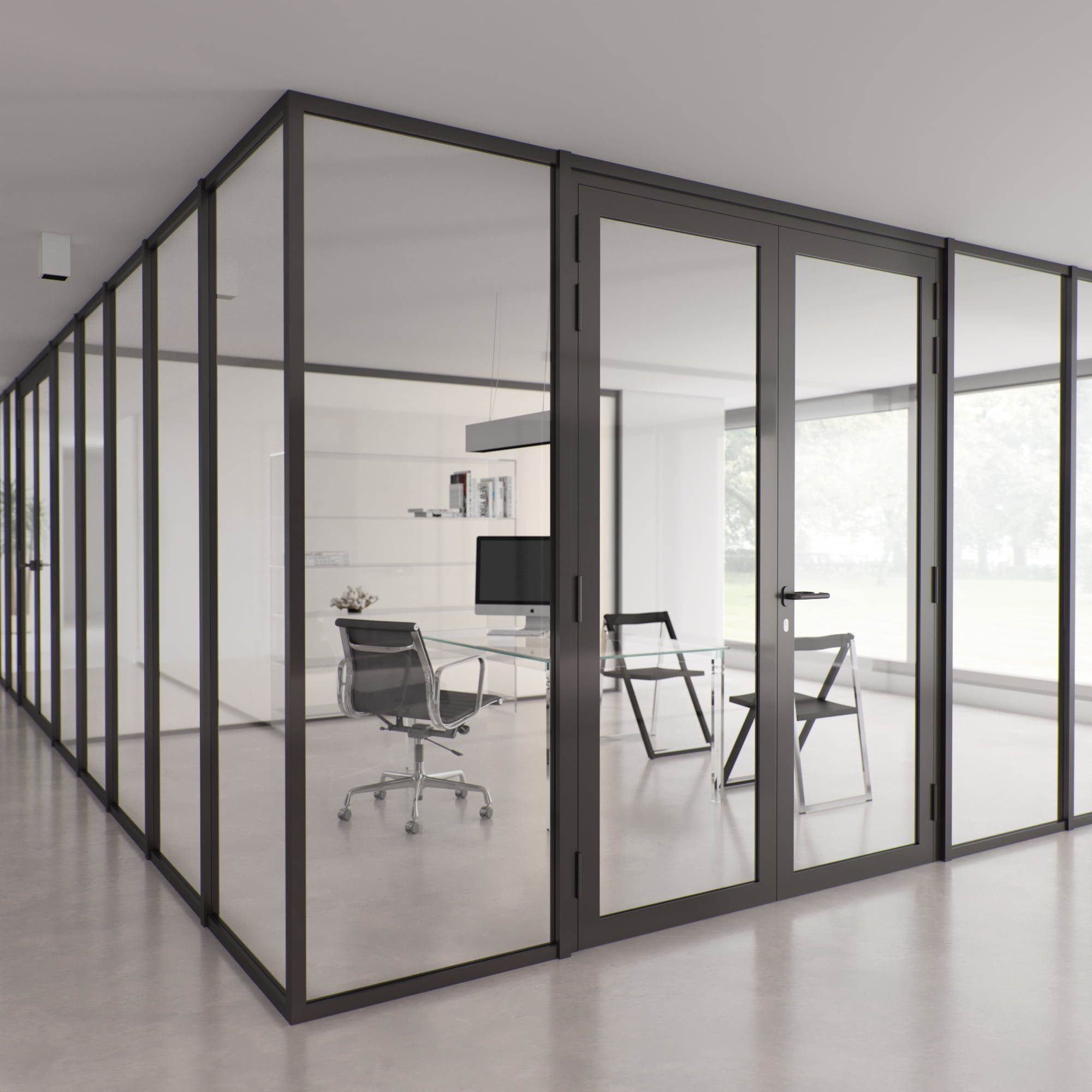
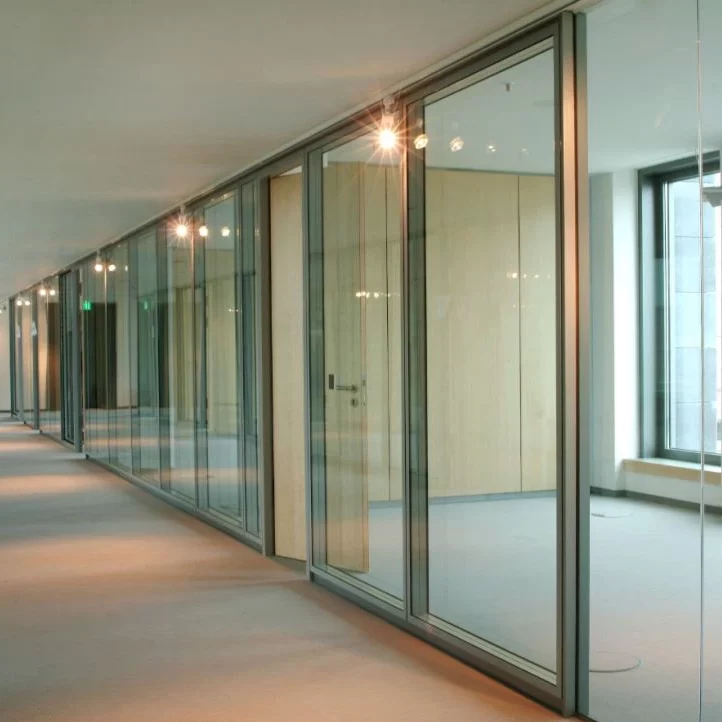
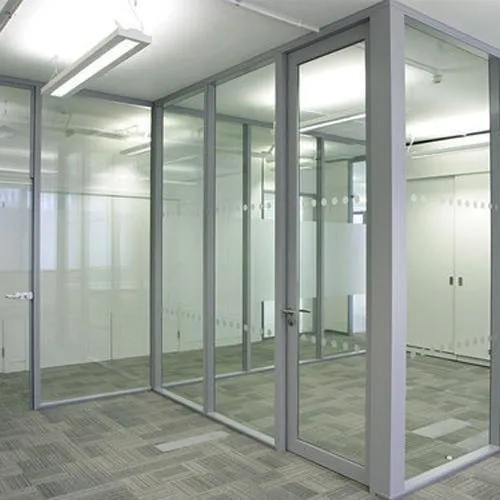
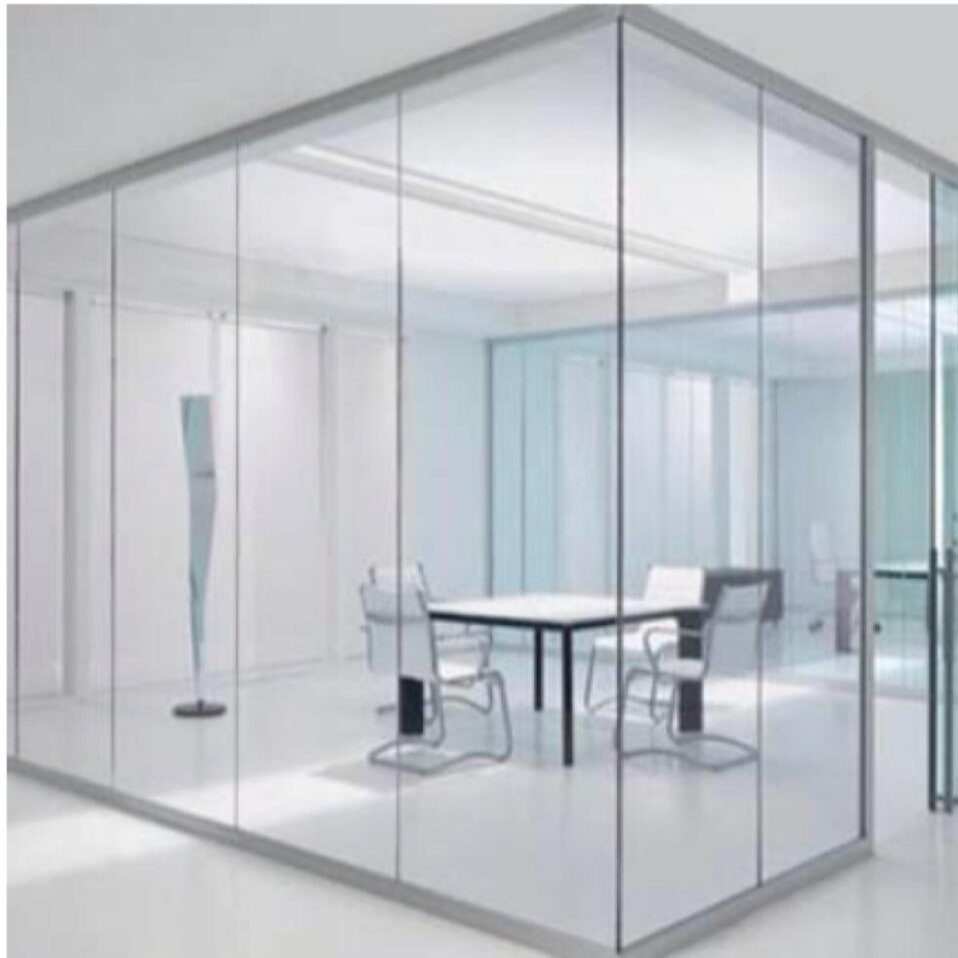
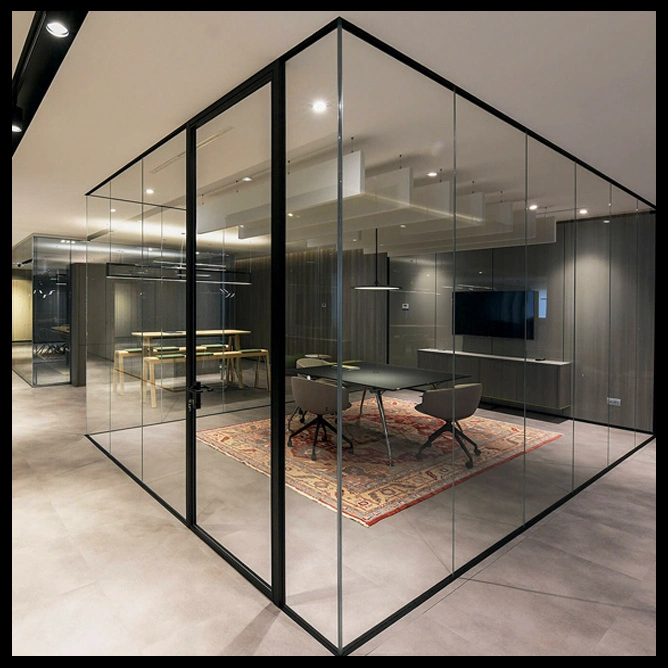
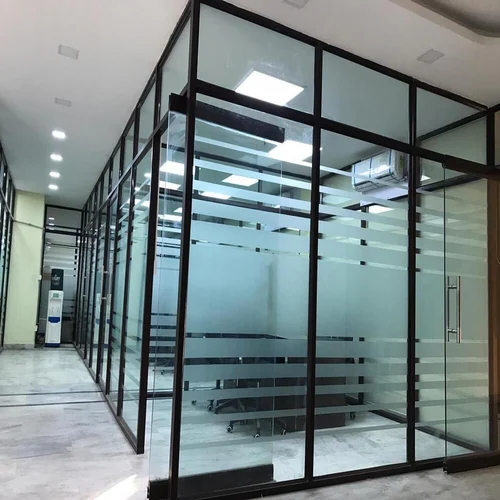
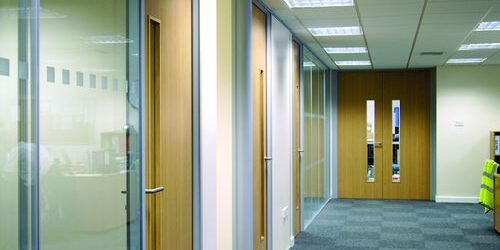
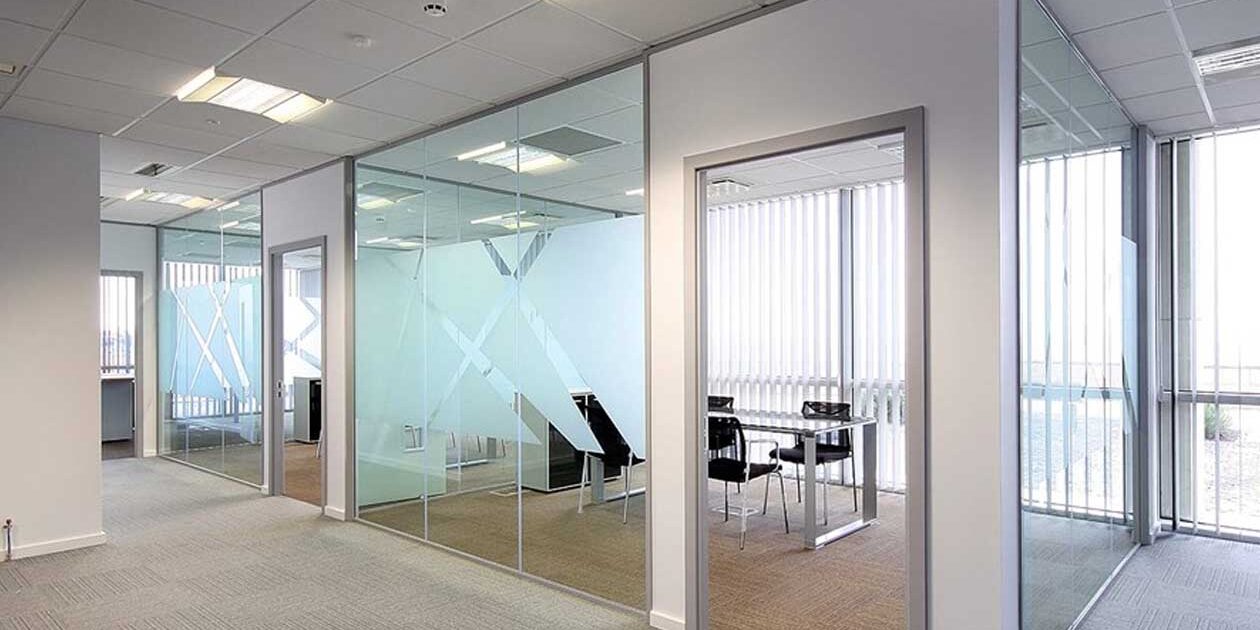
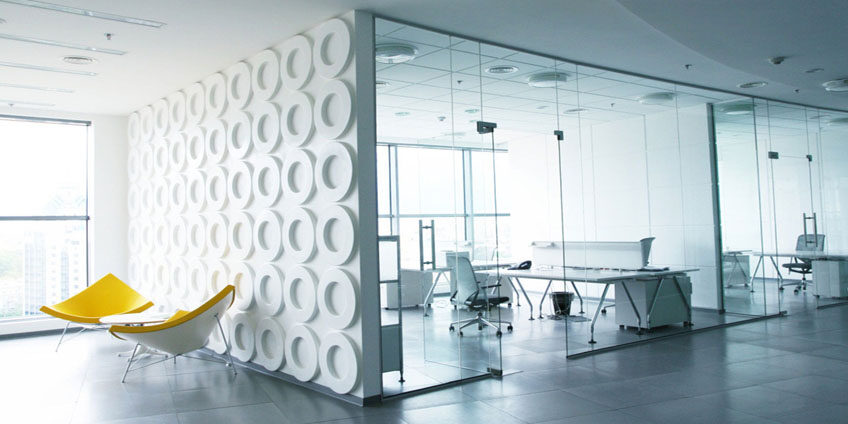
A glass and aluminum partition is a common architectural element used in interior design to divide spaces while maintaining an open and airy feel. It typically consists of glass panels supported by aluminum frames or channels.
Glass partitions offer transparency, allowing natural light to flow through the space and creating a sense of openness. This can help improve the overall ambiance of the environment. Both glass and aluminum are durable materials that can withstand regular wear and tear, making glass and aluminum partitions suitable for high-traffic areas. Glass and aluminum partitions offer flexibility in terms of design and configuration. They can be used to create private offices, meeting rooms, or collaborative workspaces, and they can easily be reconfigured or relocated as needed.
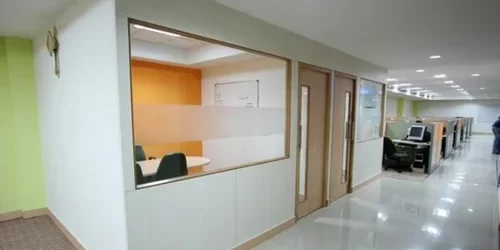
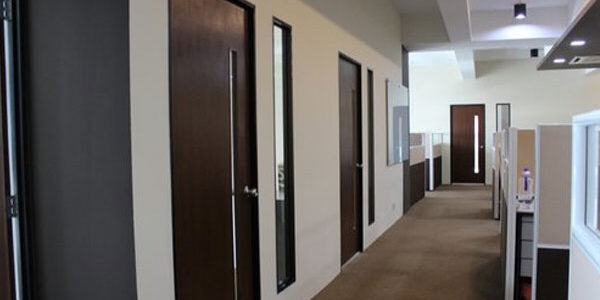
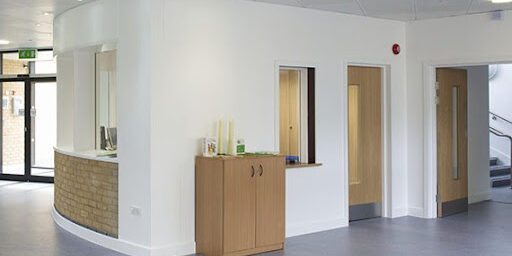
Gypsum partition works involve the construction of interior walls using gypsum board or drywall. Gypsum boards are composed of a core of gypsum (a soft sulphate mineral) sandwiched between two layers of paper. These partitions are commonly used in both residential and commercial buildings for creating internal divisions, rooms, and spaces.
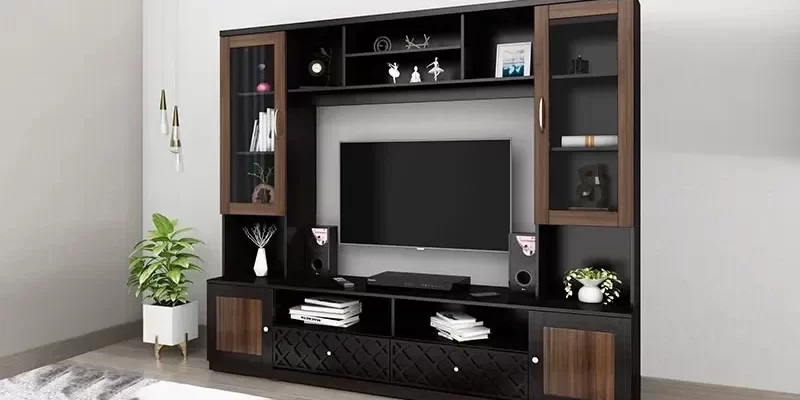
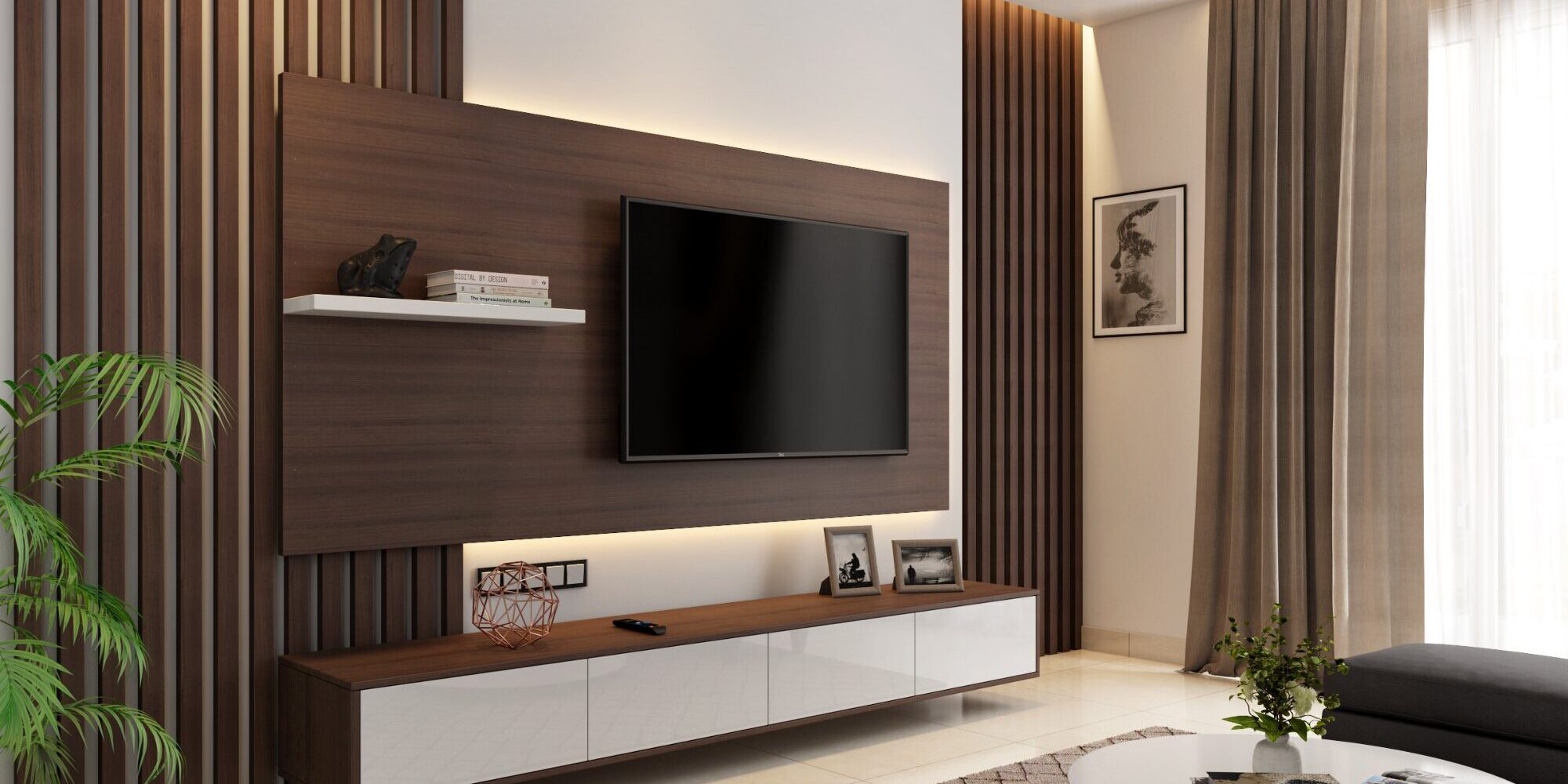
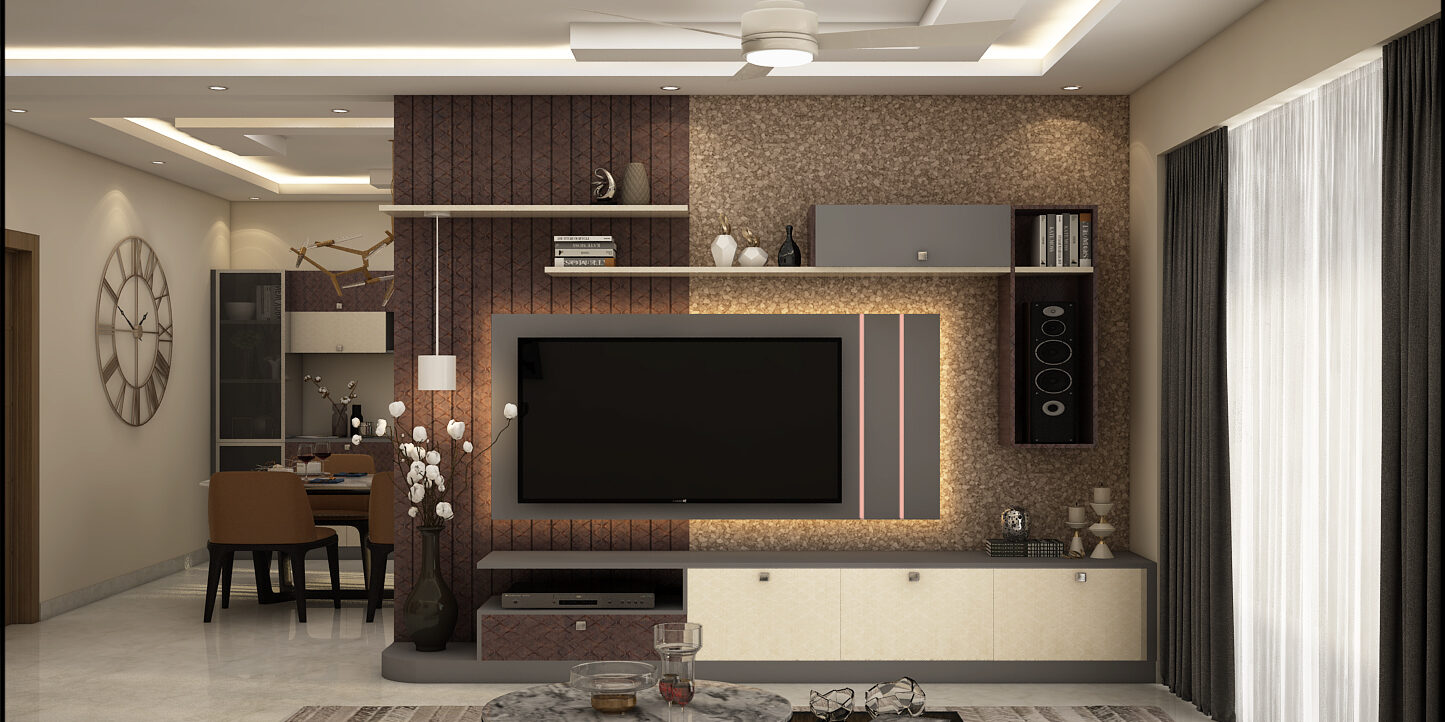
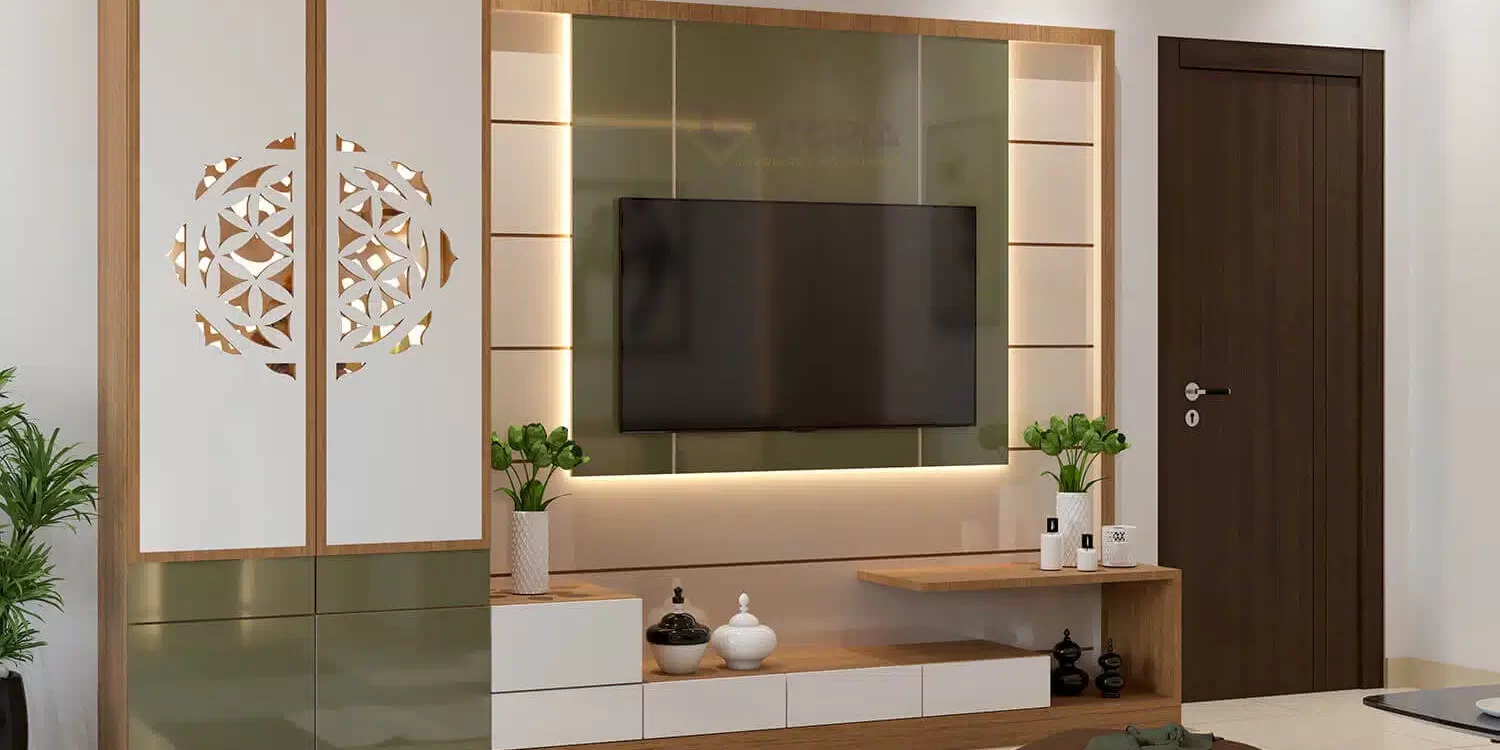
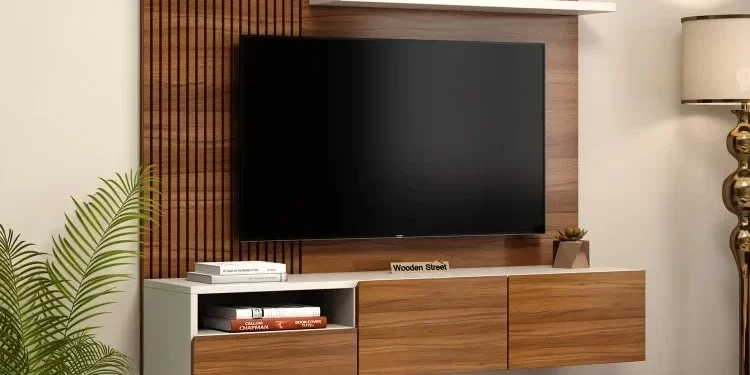
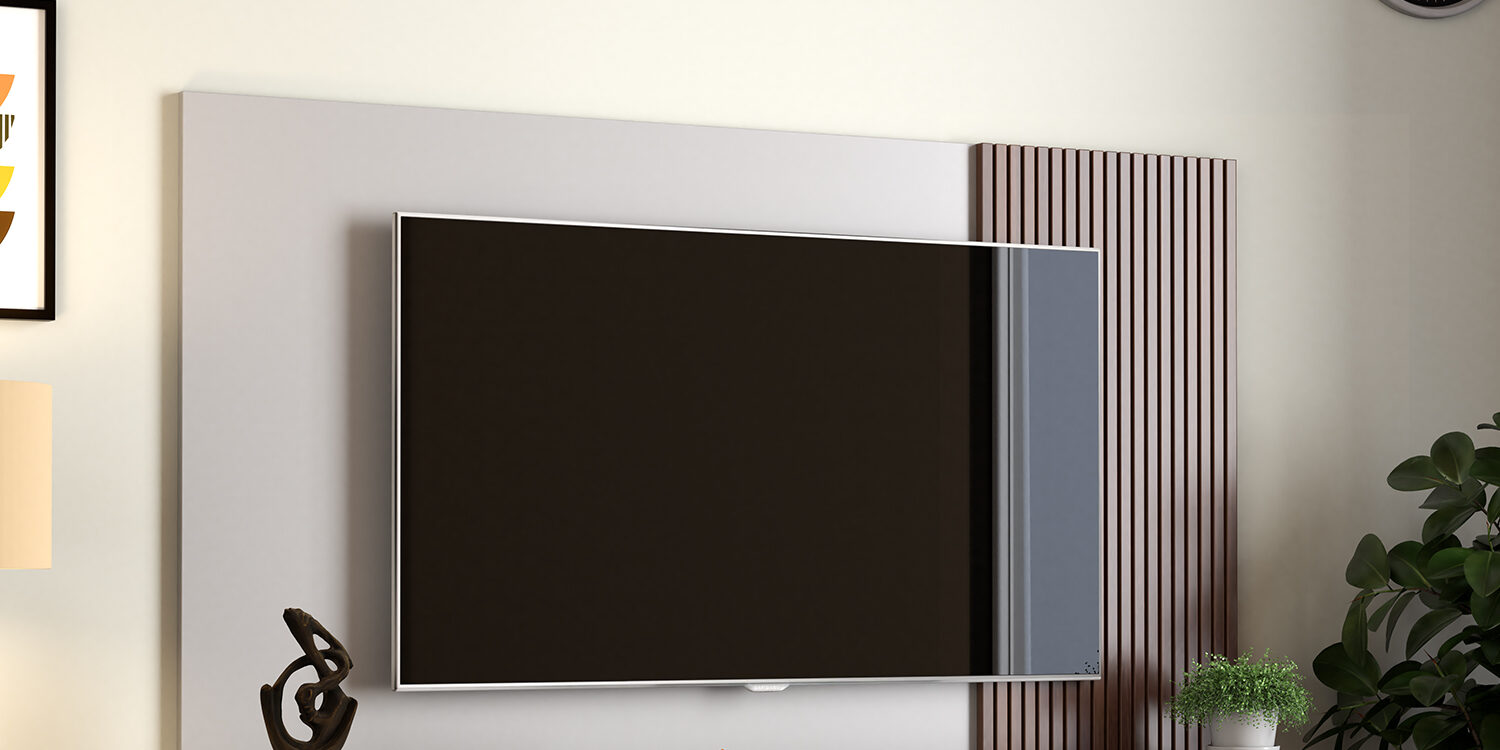
When it comes to TV cabinets, wood and uPVC are two popular materials with distinct characteristics and advantages. Wood offers a timeless and natural aesthetic that adds warmth and character to any space. It comes in a variety of species, each with its own unique grain patterns and colours, allowing for a range of design possibilities to suit different décor styles. High-quality wood TV cabinets, such as those made from hardwoods like oak, maple, or cherry, are durable and long-lasting. With proper care and maintenance, wood furniture can withstand daily use and last for generations. Wood is a versatile material that can be easily customized to meet specific design preferences and dimensions.
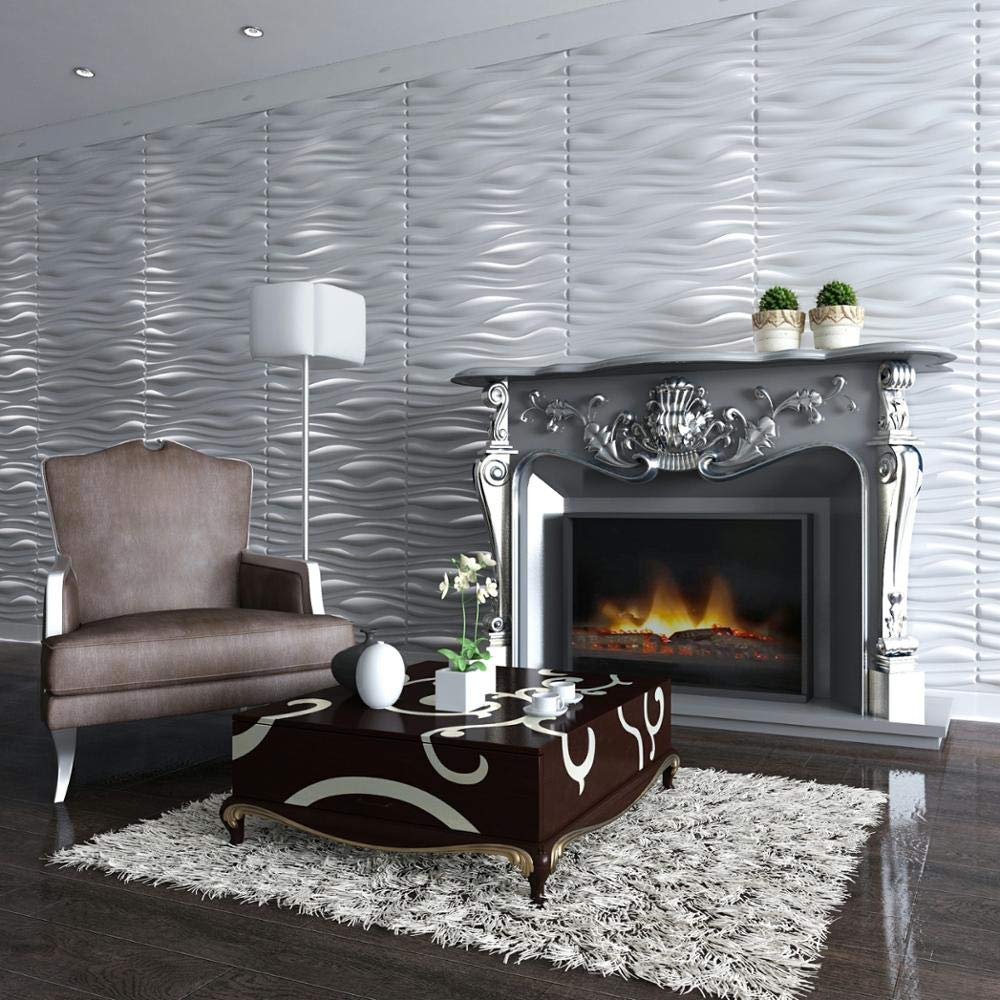
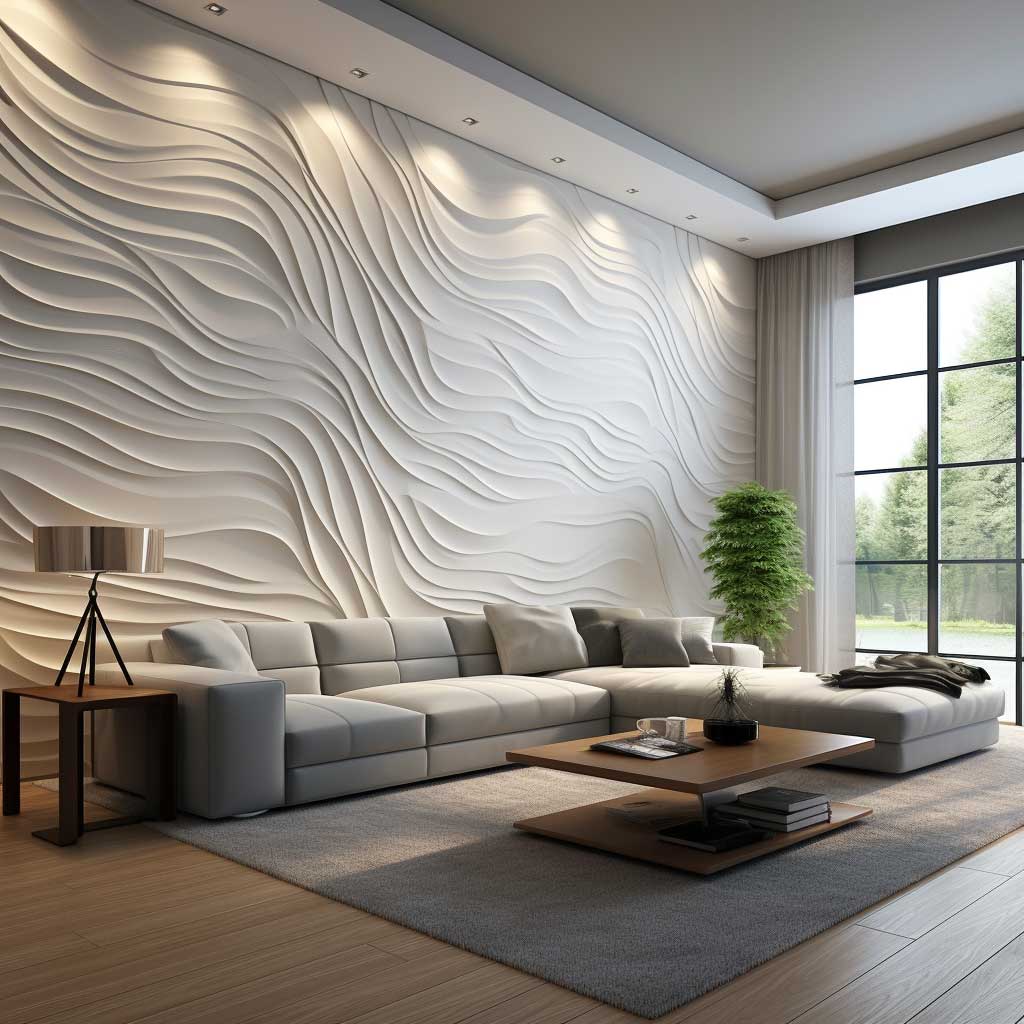
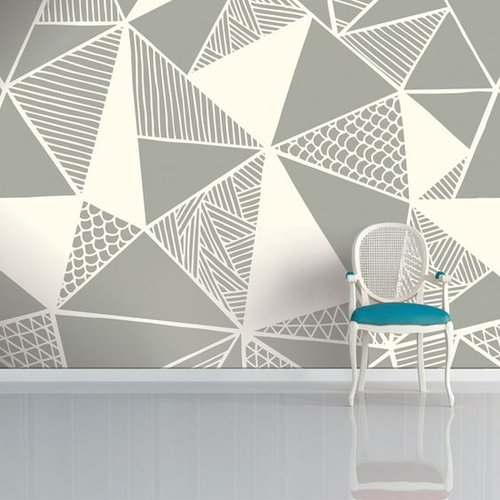
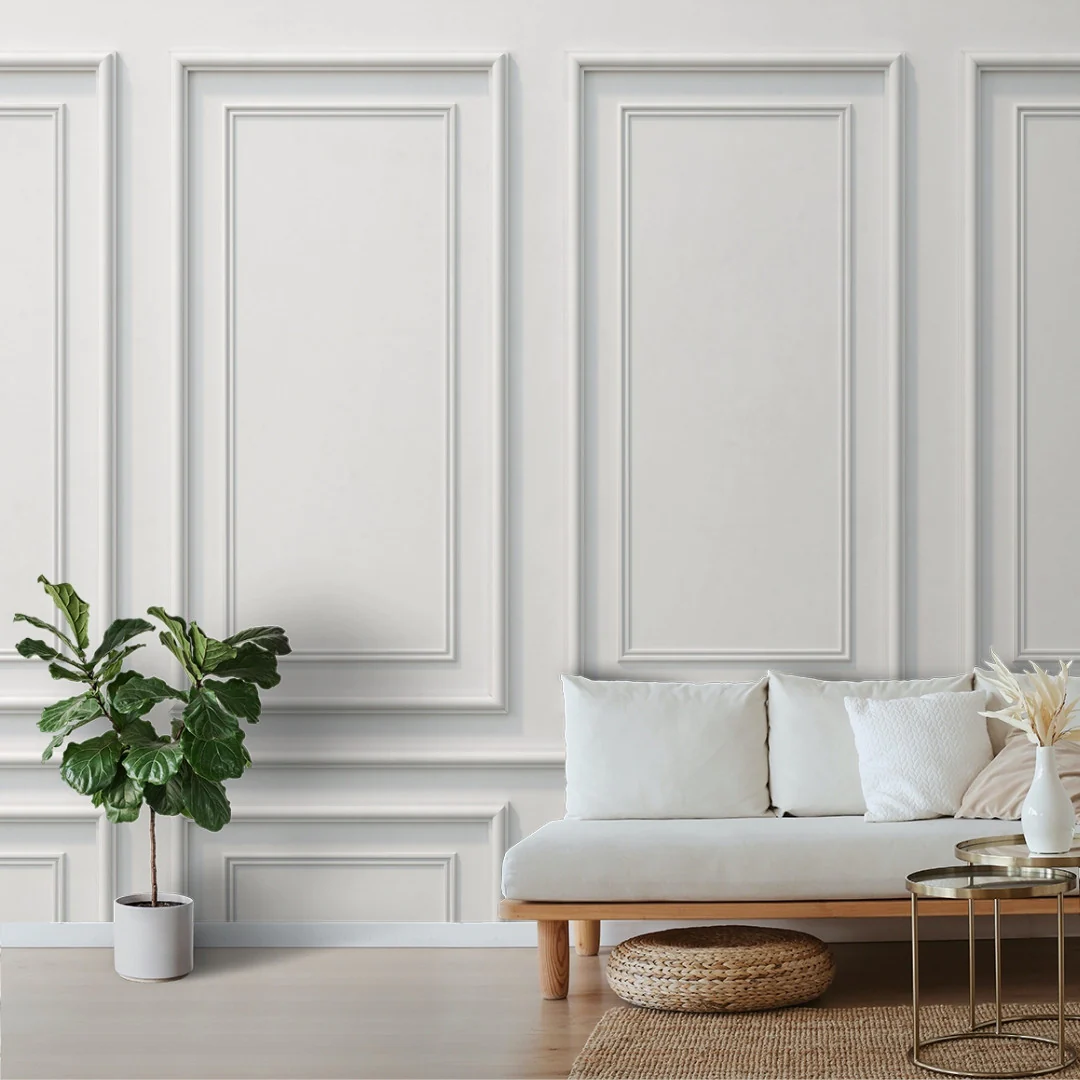
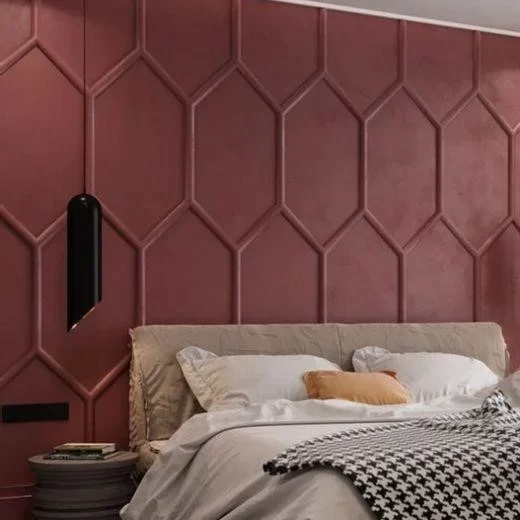
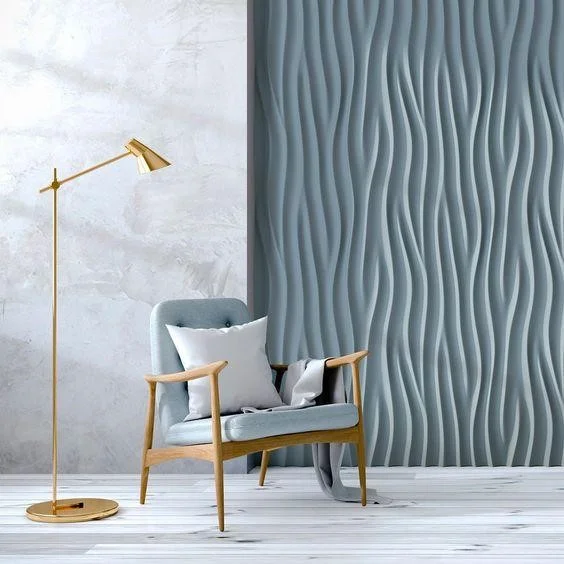
Wall panelling refers to the installation of decorative or functional panels on interior walls to enhance aesthetics, provide insulation, or add texture to a space. Types of Wall Panelling are Wood Panelling, MDF Panelling, PVC Panelling Metal Panelling, Acoustic Panelling, Decorative Panelling. Overall, wall panelling offers a versatile and customizable solution for enhancing interior spaces, whether for decorative purposes, functional benefits, or both. It’s important to consider factors such as material durability, maintenance requirements, installation method, and design preferences when selecting wall panelling for a project.
In architectural and interior design, a living room elevation refers to a drawing or diagram that shows the vertical arrangement of elements within the living room space. This includes features such as walls, windows, doors, furniture, and other decorative elements. Living room elevations are typically created as part of the design process to visualize how the space will look from a standing perspective and to communicate design concepts to clients, contractors. These types include Walls, Windows and Doors, Furniture Layout Built-in Features, Lighting Fixtures, Decorative Elements
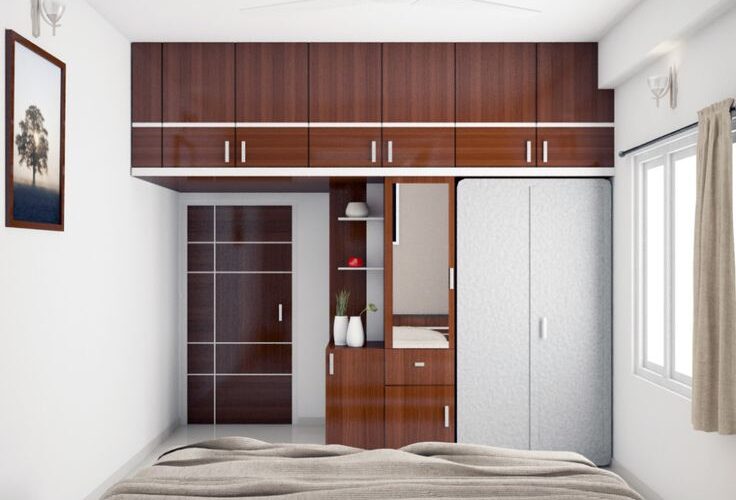
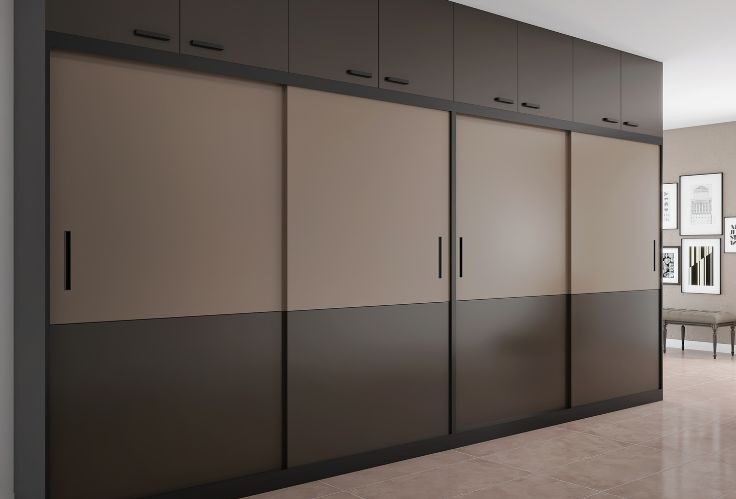
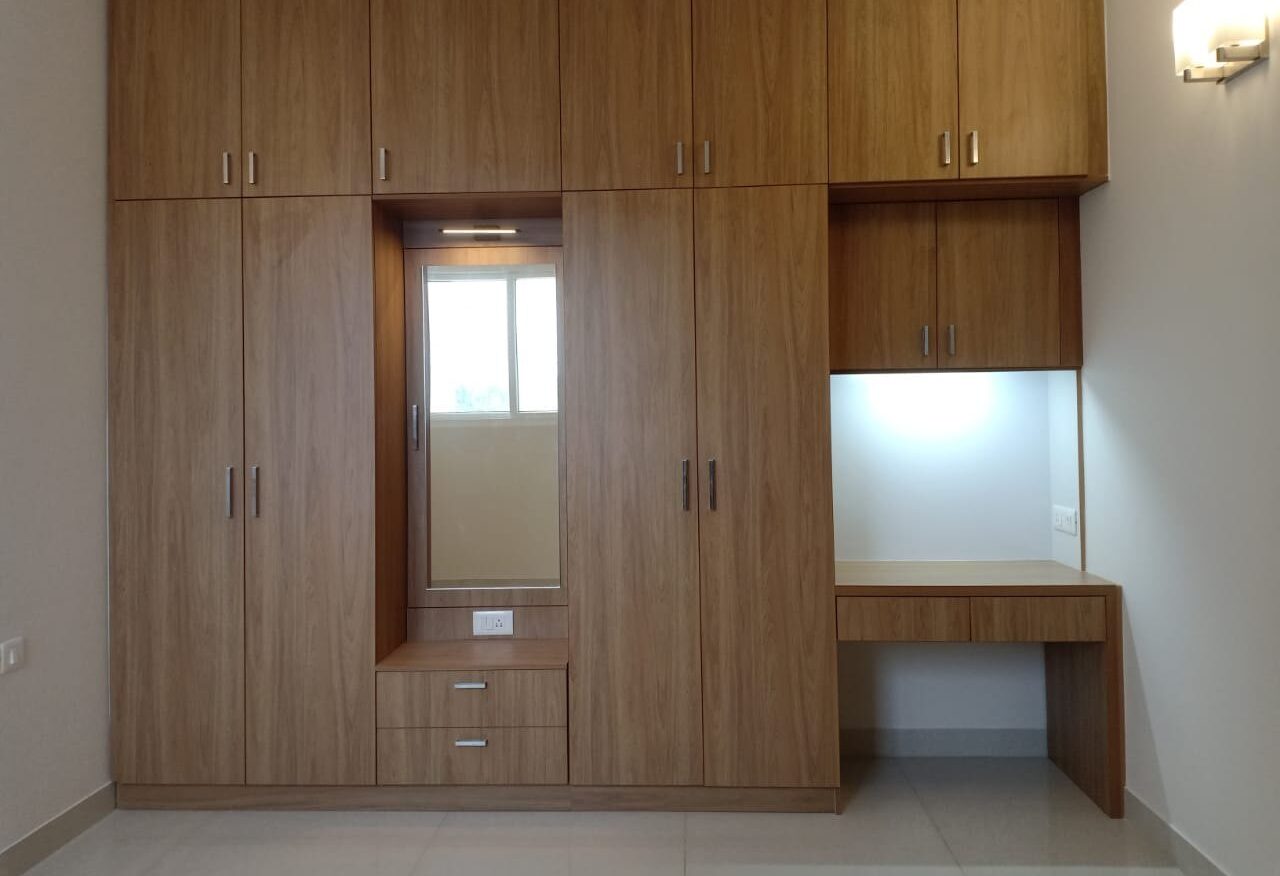
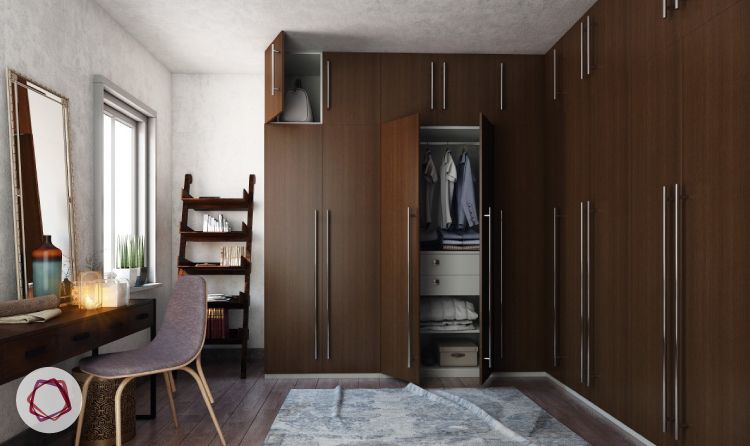
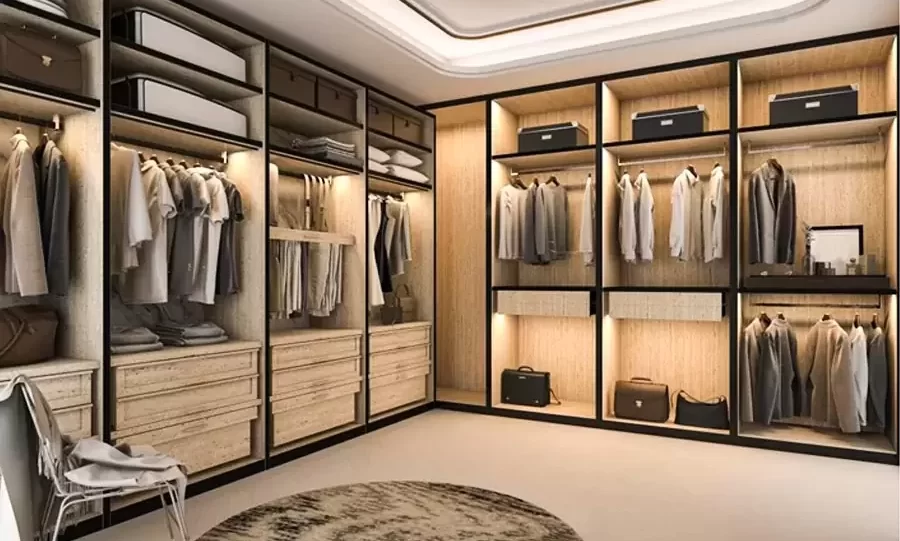
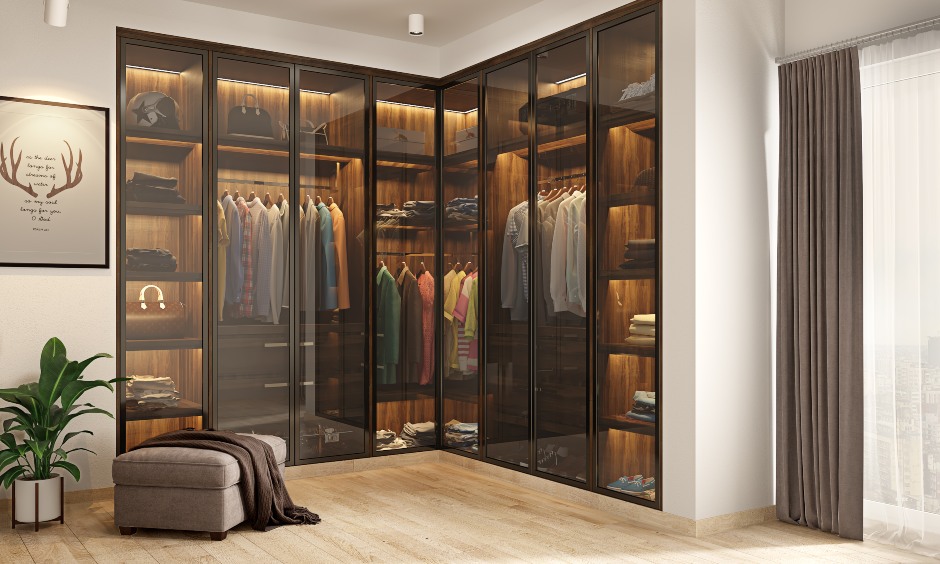
This involves fixing cupboards to walls or within existing structures. Tailoring cupboard designs to fit specific spaces or storage needs. Fixing broken cupboard doors, shelves, or hinges. Arranging the interior of cupboards for optimal storage and accessibility. Applying a fresh coat of paint or refinishing surfaces to enhance appearance and durability.
Building loft spaces for additional storage or living areas. Upgrading existing lofts to improve functionality or aesthetics. Installing guardrails or access ladders to ensure safe use of loft spaces. Adding insulation to loft spaces to improve energy efficiency and comfort. Installing or replacing flooring in loft areas for durability and aesthetics.
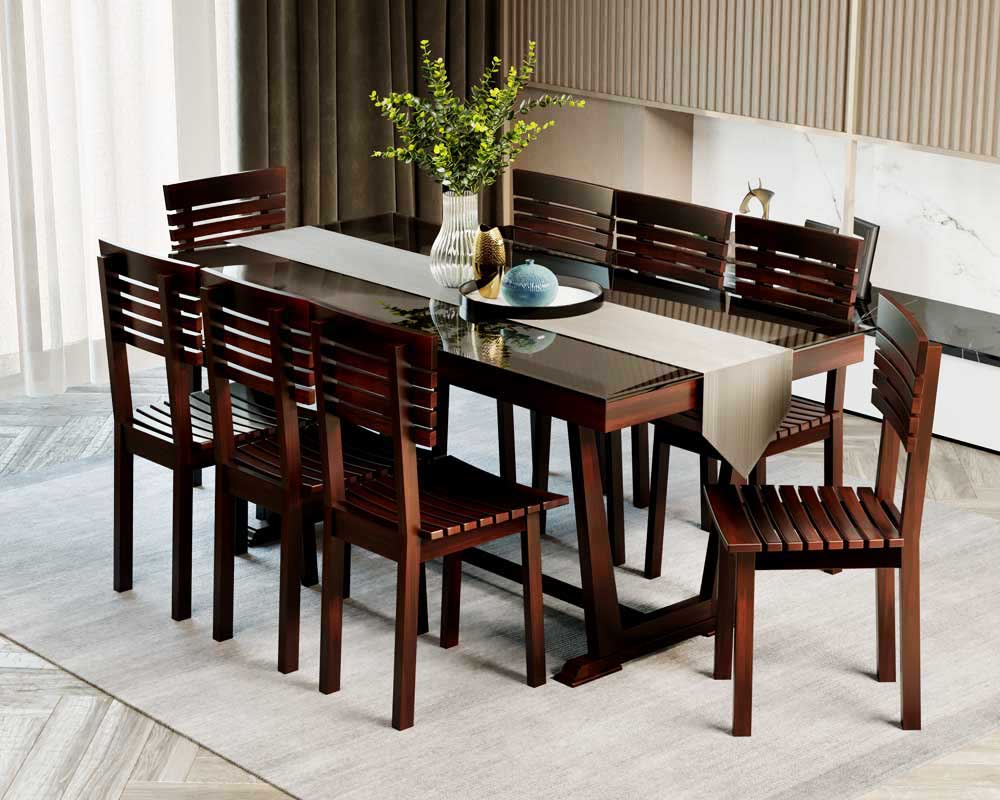
Dining Table
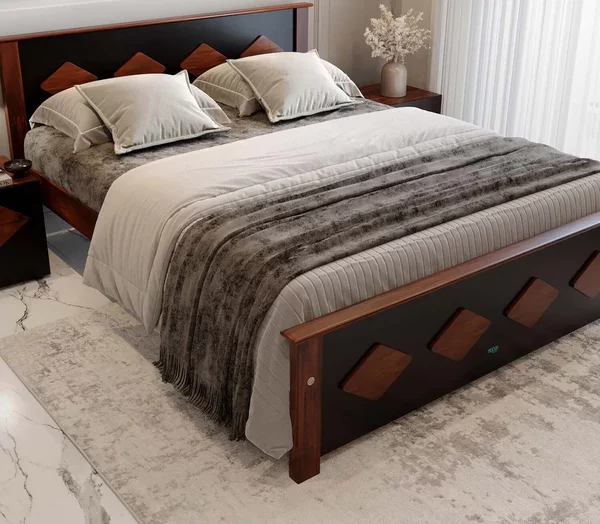
Cot
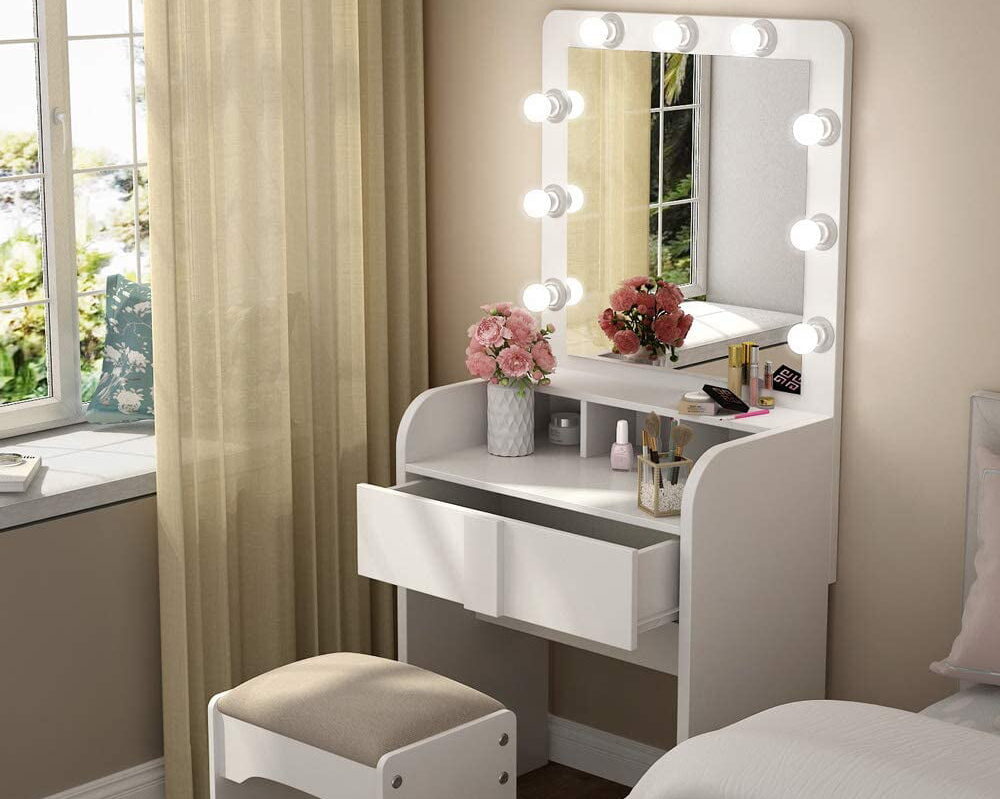
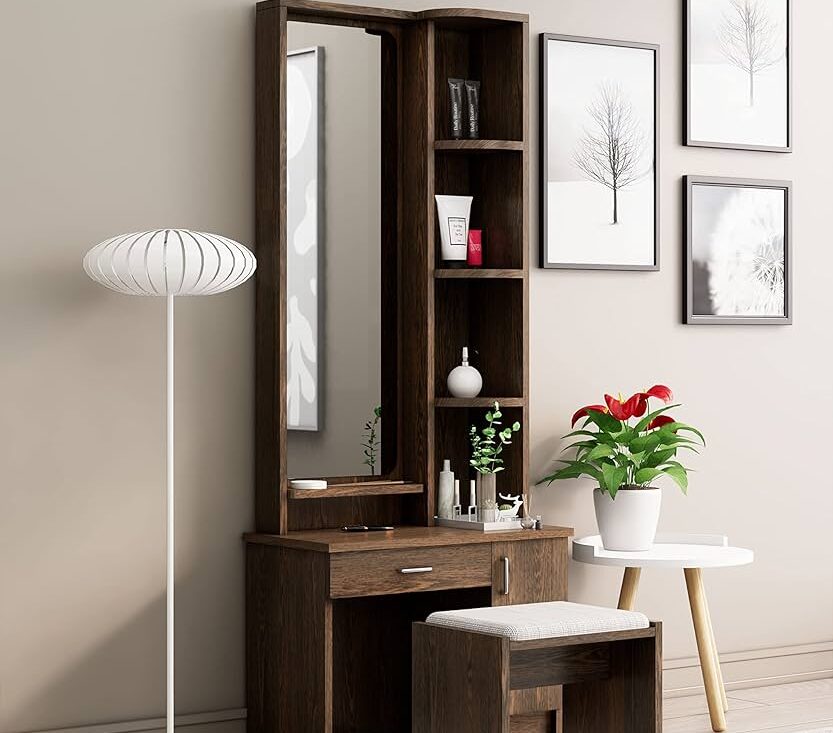
Dressing Table
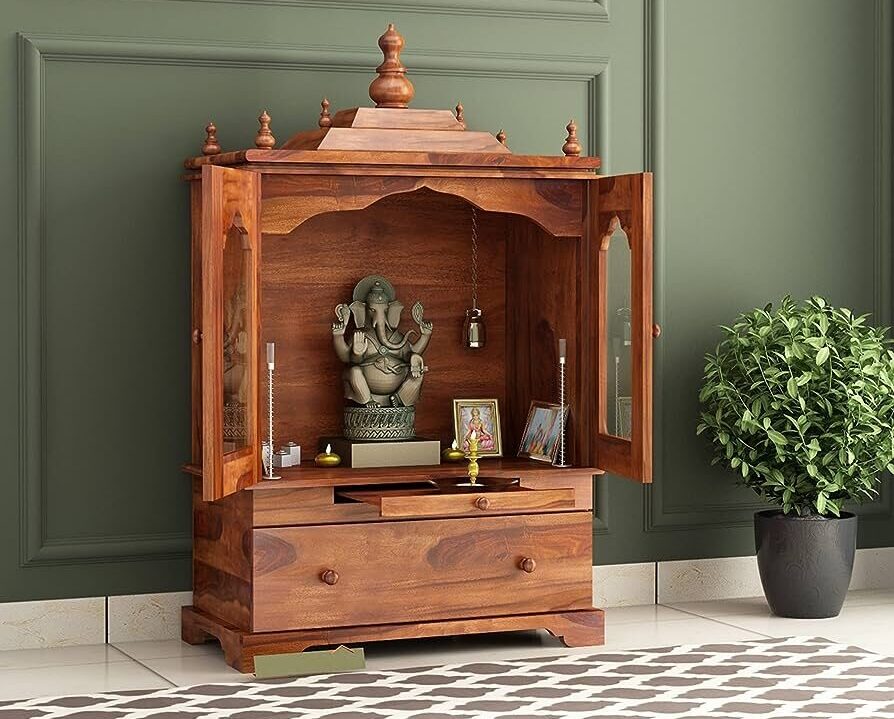
Pooja Stand etc
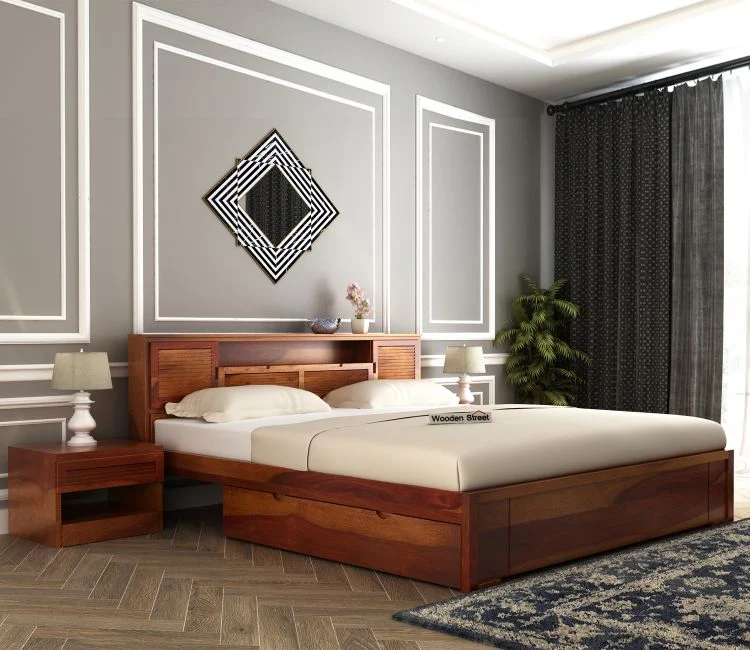
Furniture works encompass a wide range of tasks across various types of furniture. Here’s a comprehensive overview of the types of furniture and the associated works. Like Chairs, Dining Tables, Cabinets, Beds and so on. Each type of furniture work involves a combination of carpentry, joinery, upholstery, finishing, and possibly specialized techniques or features to achieve desired aesthetics, functionality, and durability.
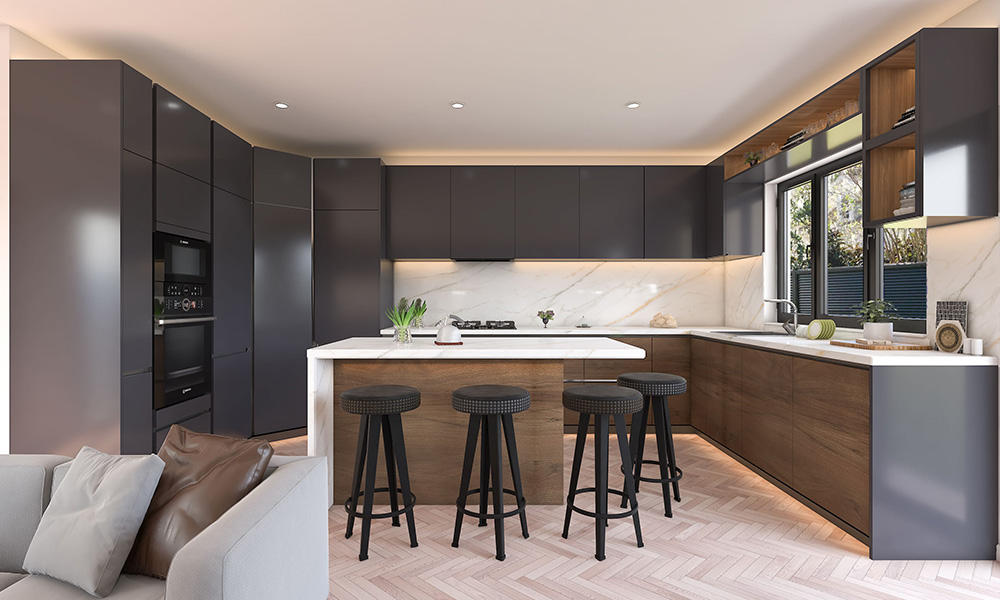
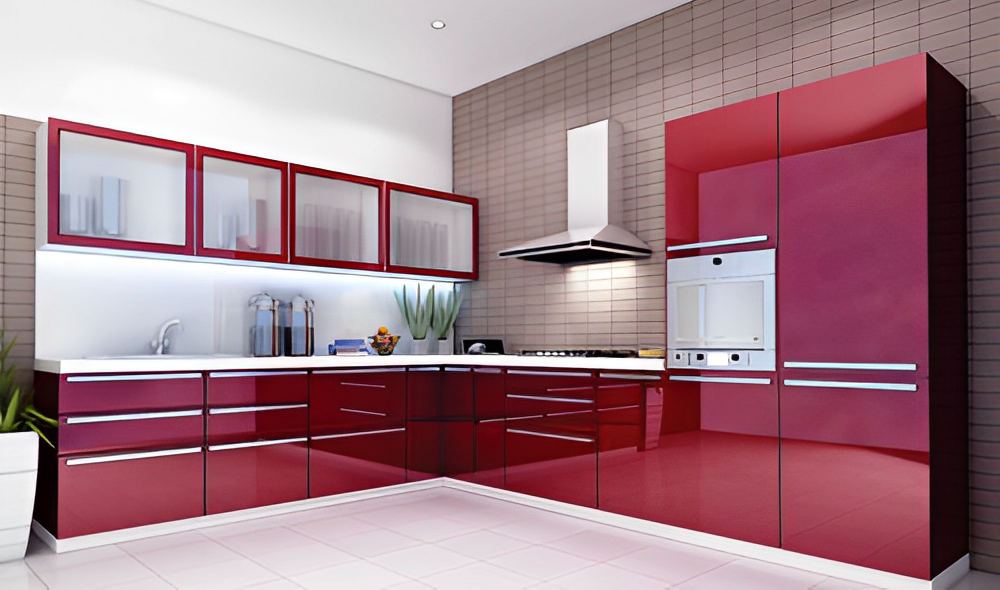
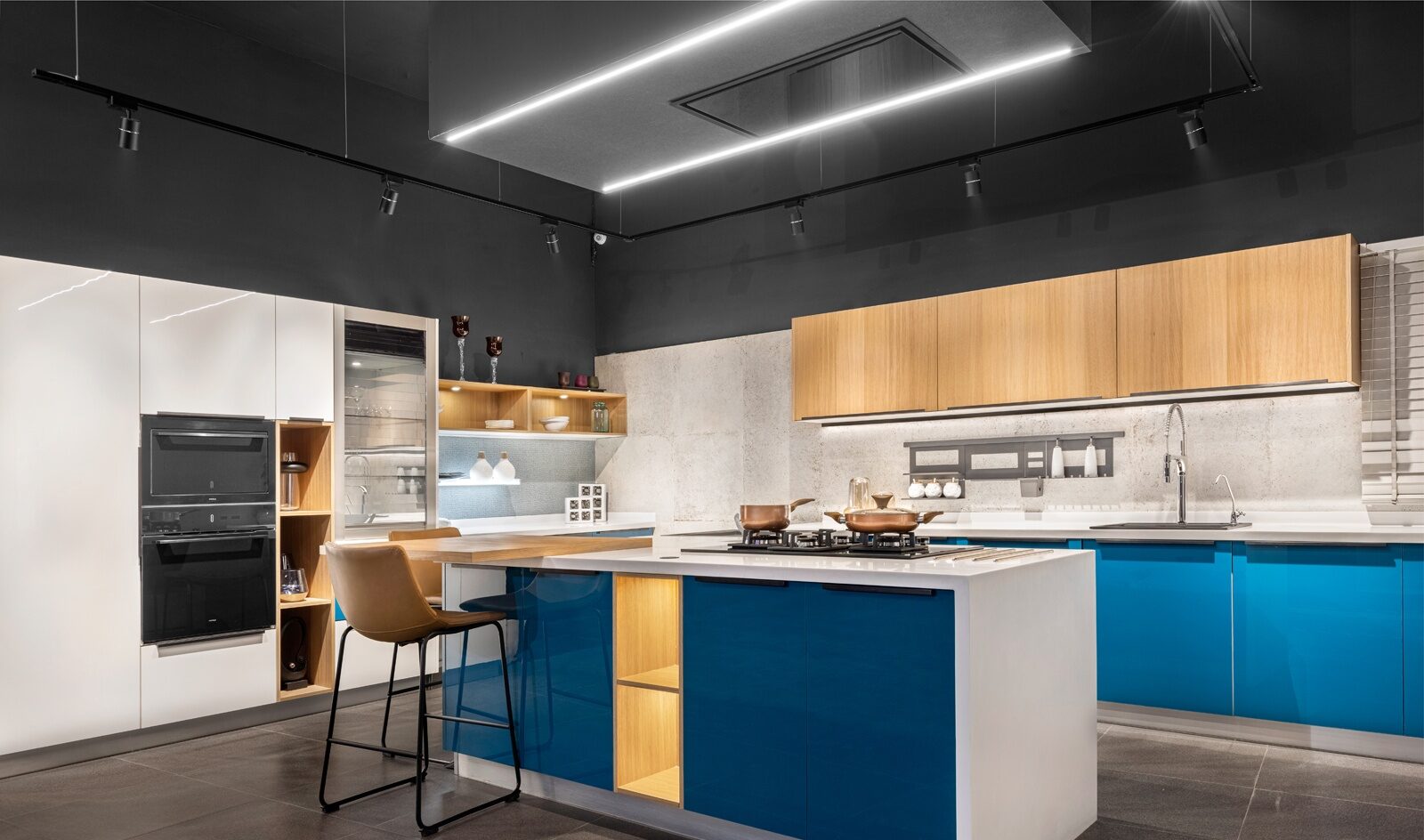
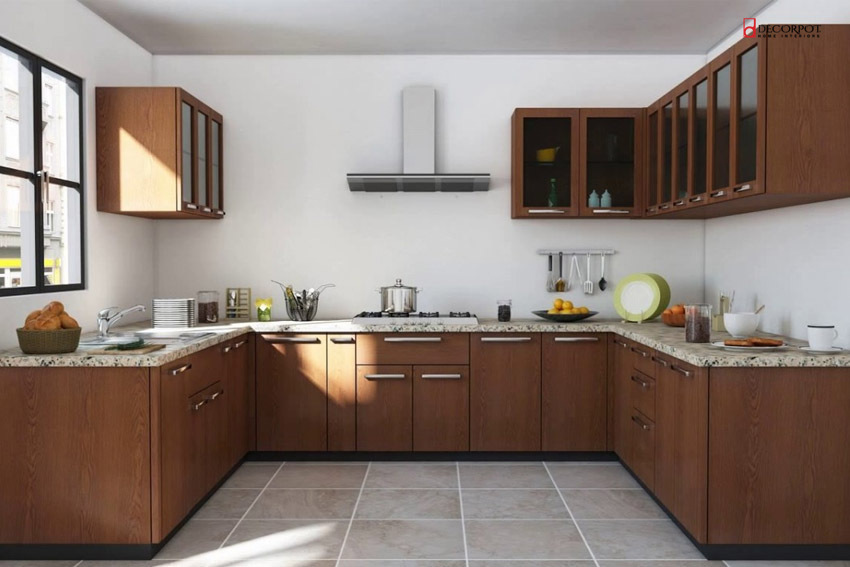
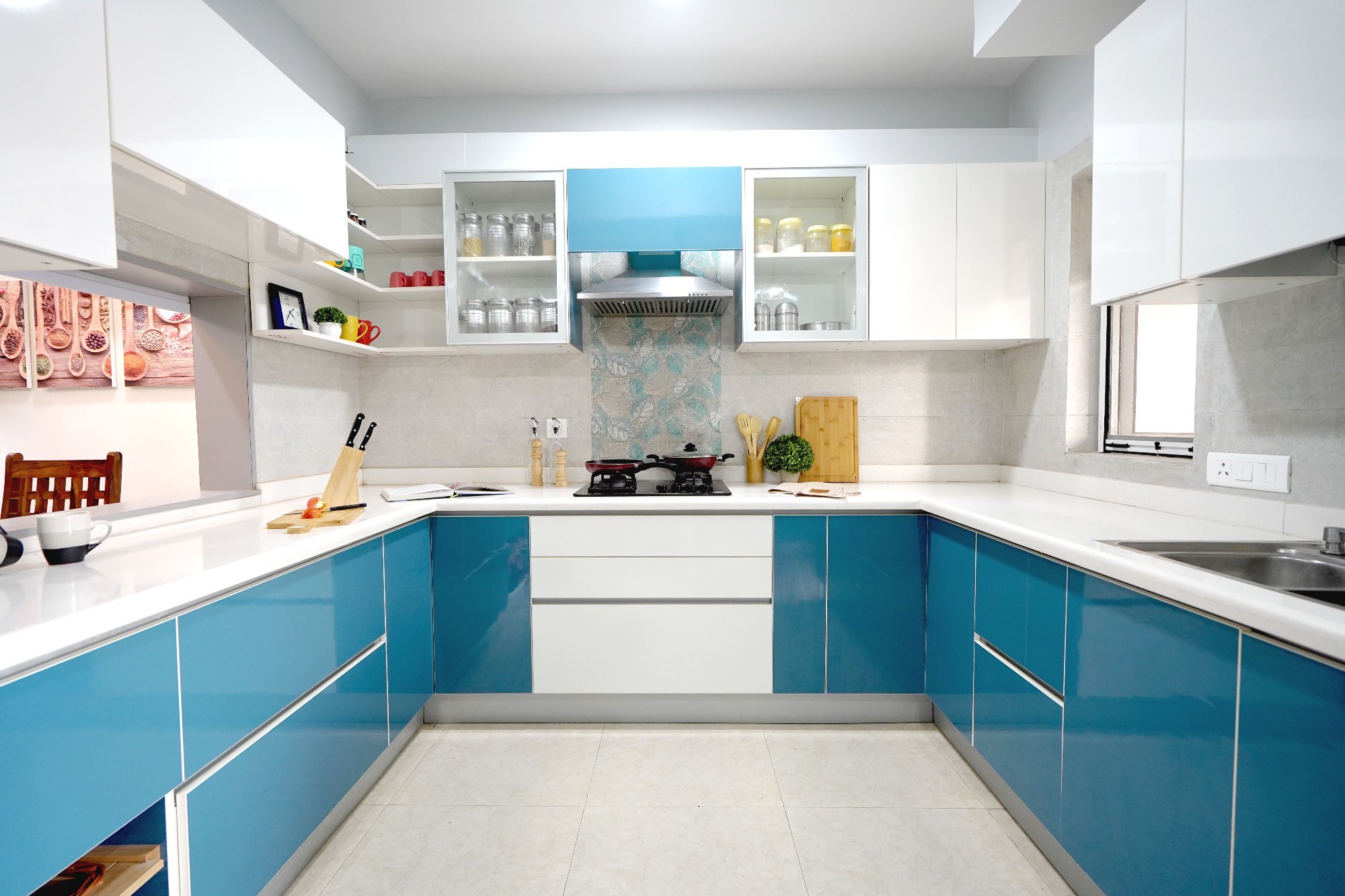
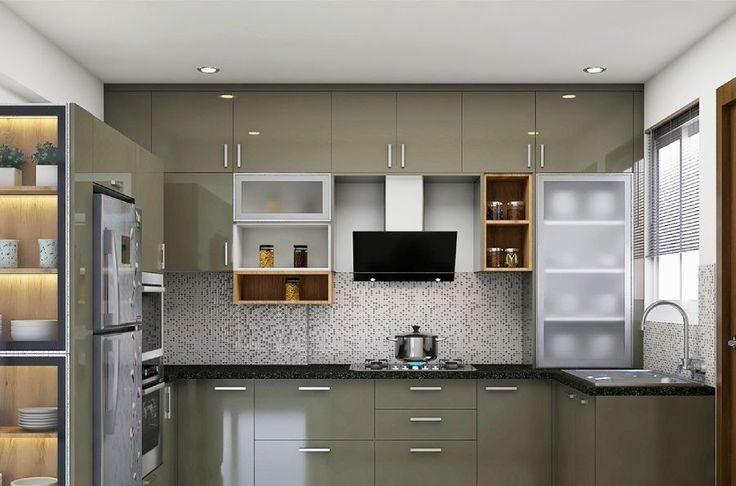
A modular kitchen refers to a modern kitchen layout characterized by pre-made cabinet modules or units that are assembled together to create a functional kitchen space. This type of kitchen design offers several advantages in terms of functionality, customization, and aesthetics. Modular kitchens offer a convenient and efficient solution for modern kitchen design, with works ranging from cabinet installation to appliance integration and finishing touches to create a stylish and functional cooking space.
Tables
Chairs
Reception Table
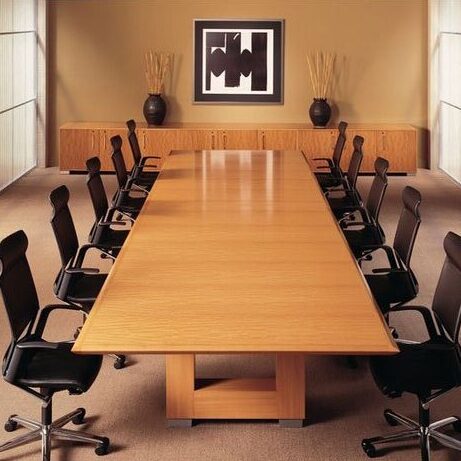
Meeting Table
Lobby Table / Chairs
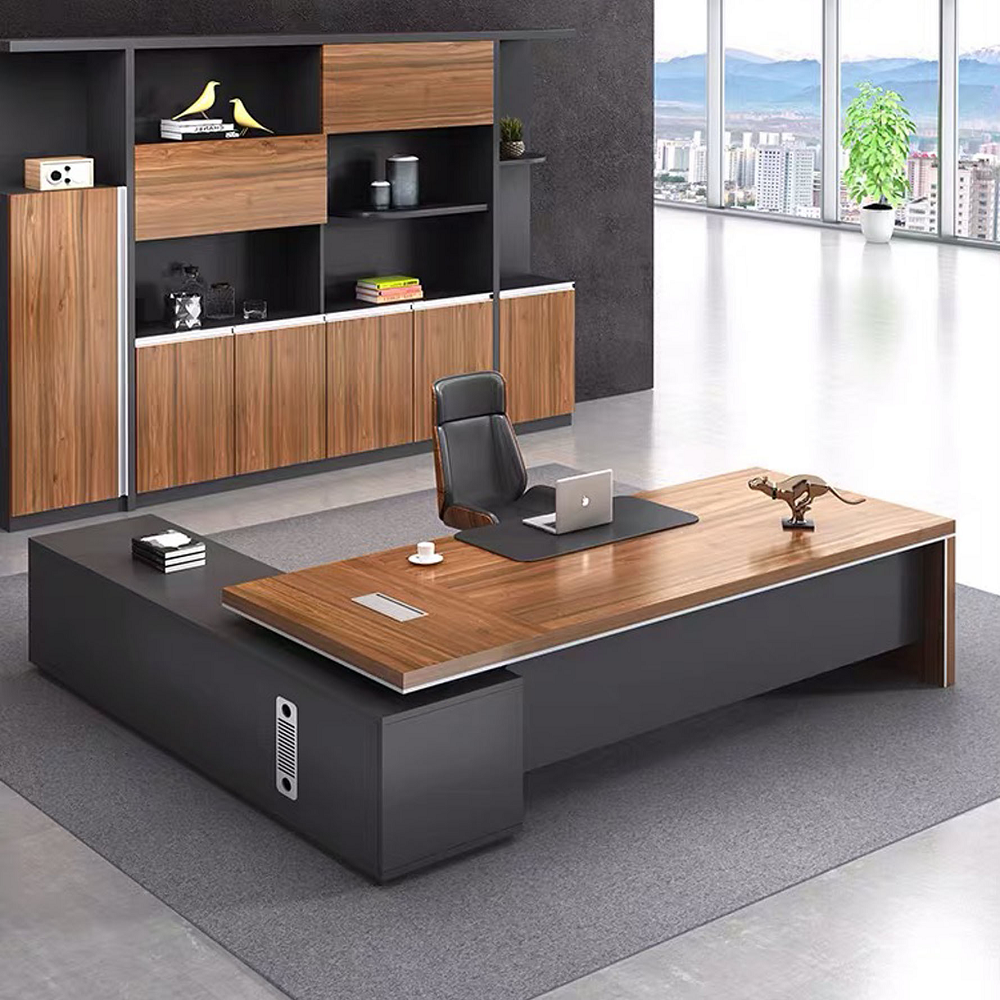
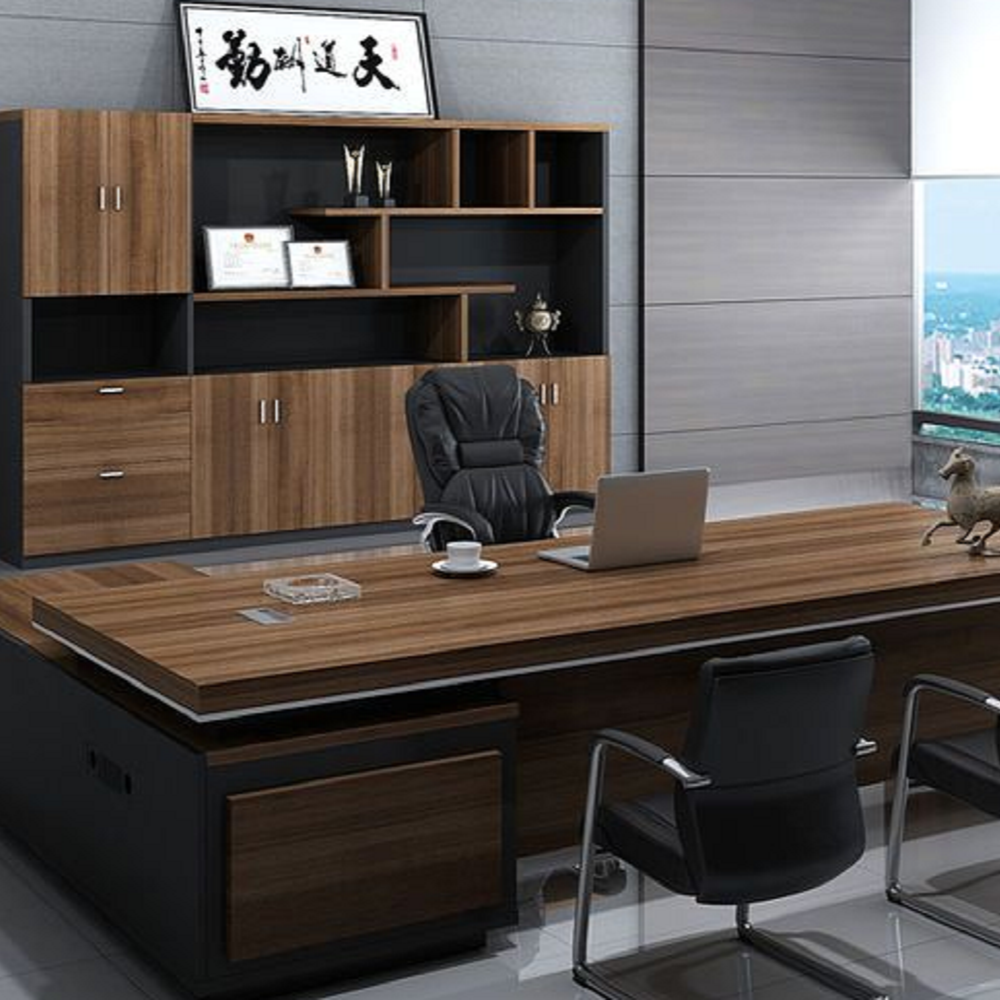
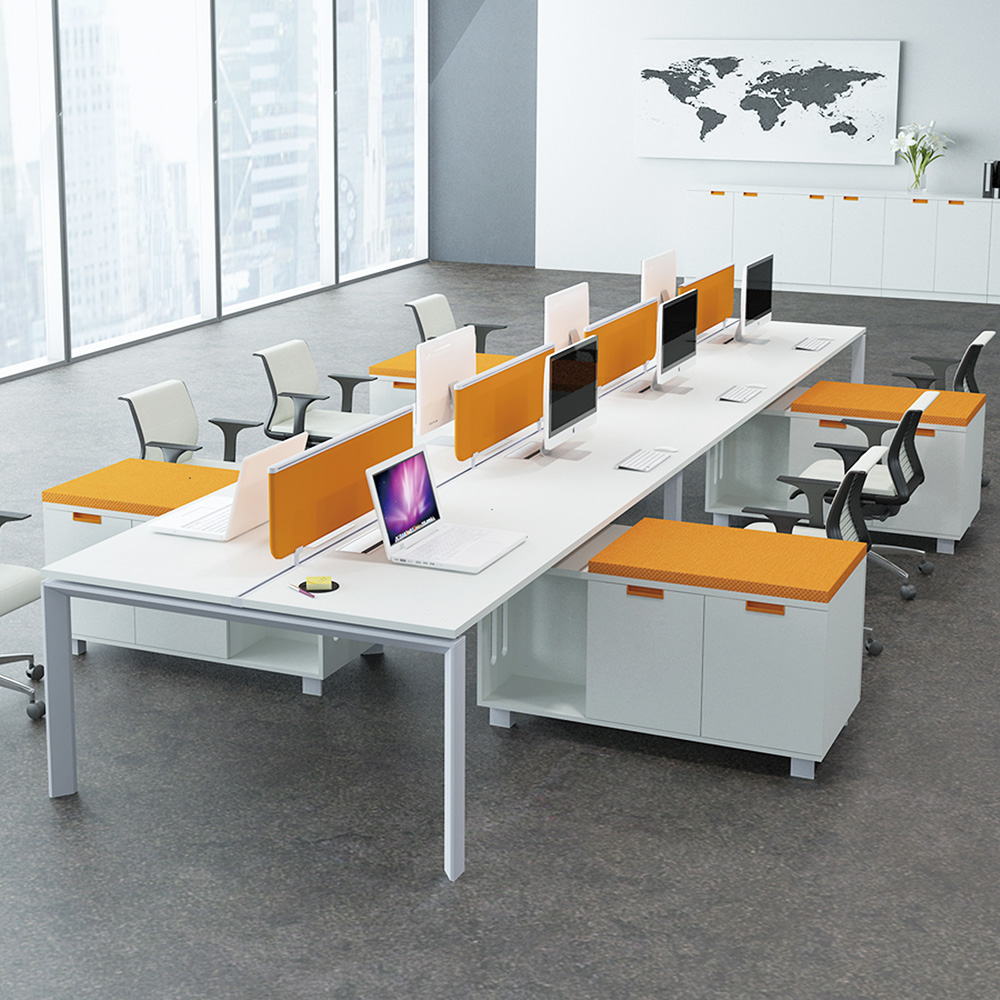
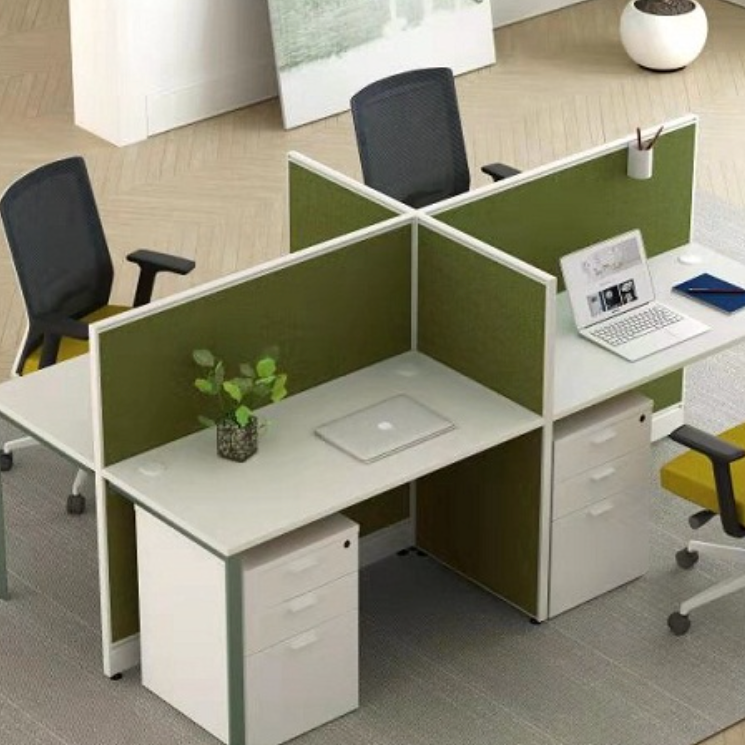
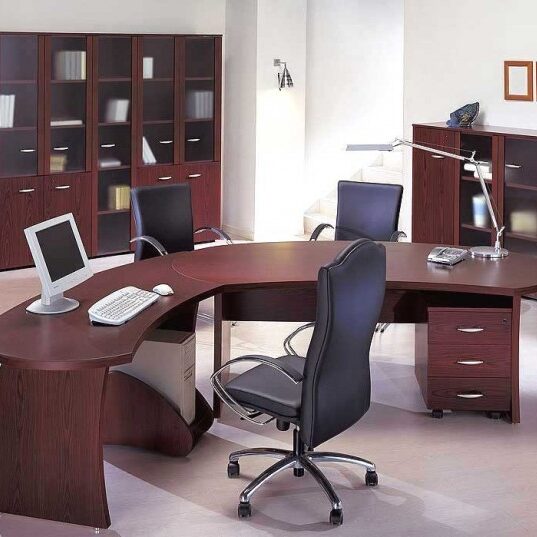
Office furniture encompasses a broad range of items designed for use in office environments, providing comfort, functionality, and aesthetic appeal for employees and visitors. Works involved in office furniture may include design, manufacturing, assembly, installation, and maintenance. Additionally, customization options allow businesses to tailor furniture solutions to their specific needs, branding, and office culture.